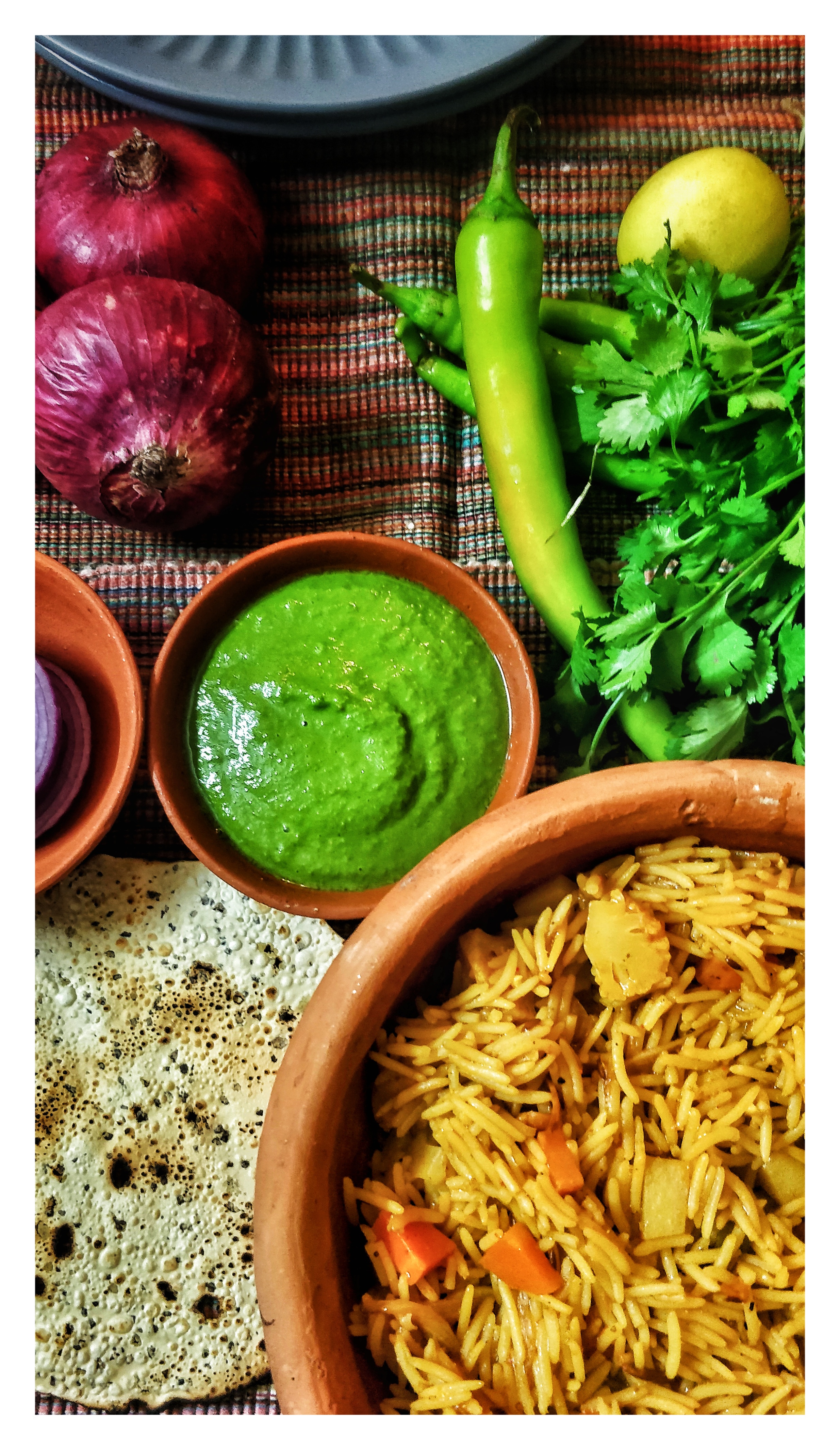
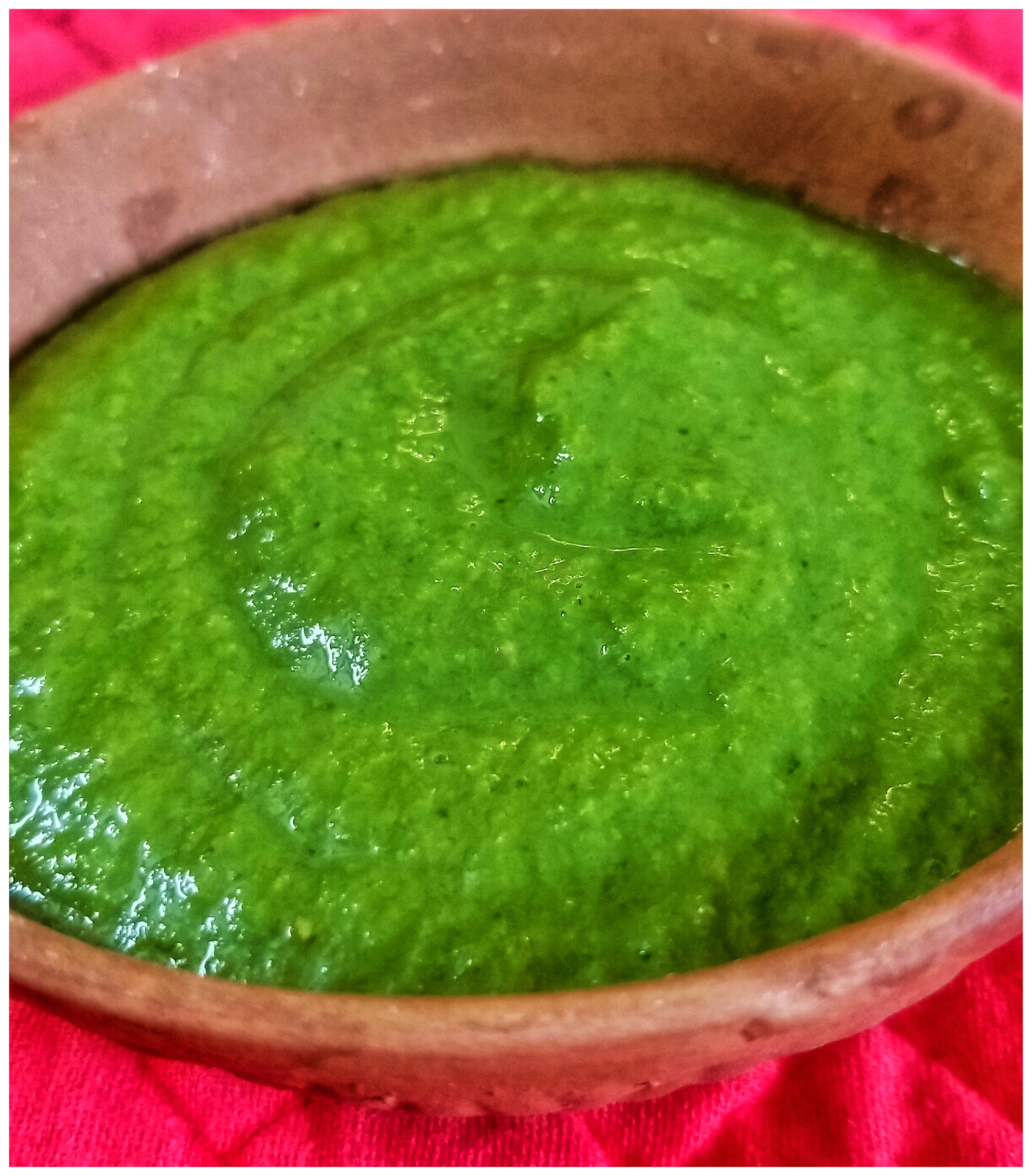
Coriander Chutney

The term chutney refers to a number of sauces (or the dry base for such sauces) native to India, forming an integral part of Indian cuisine. Chutneys may be realized in such forms as a tomato relish , a ground peanut garnish, or a dahi (yogurt)spicy coconut, spicy onion or mint dipping sauce . Chutneys that contrast in taste and colour can be served together—a favourite combination being a green mint and chilli  chutney with a contrasting sweet brown tamarind and date chutney.

Coriander is a herb that is extensively used around the world as a condiment, garnish, or decoration on culinary dishes. It is commonly known as ‘dhaniya’ in India, Cilantro in America and some parts of Europe. Its leaves and fruits have a recognizable and pleasant aroma and are commonly used raw or dried in cooking.

Chutneys are part of Indian culture and traditions. Across India many varieties of Chutneys are found and like we have different language for each state,chutneys too have different names . Despite being placed in corner of every dish it plays an important role with Indian food like  Pakoras, Samosas, Dosas, Aloo Tikki etc. They are tasteless without the chutneys. It acts as a starter to many food and some chutneys are helpful for digestion too. Indian chutneys are usually thick in consistency and can be made by any fruit, vegetables, herbs, spices, etc depending upon your creativity level. Traditionally chutneys are made in mortar and pestle slowly to retain its taste. 

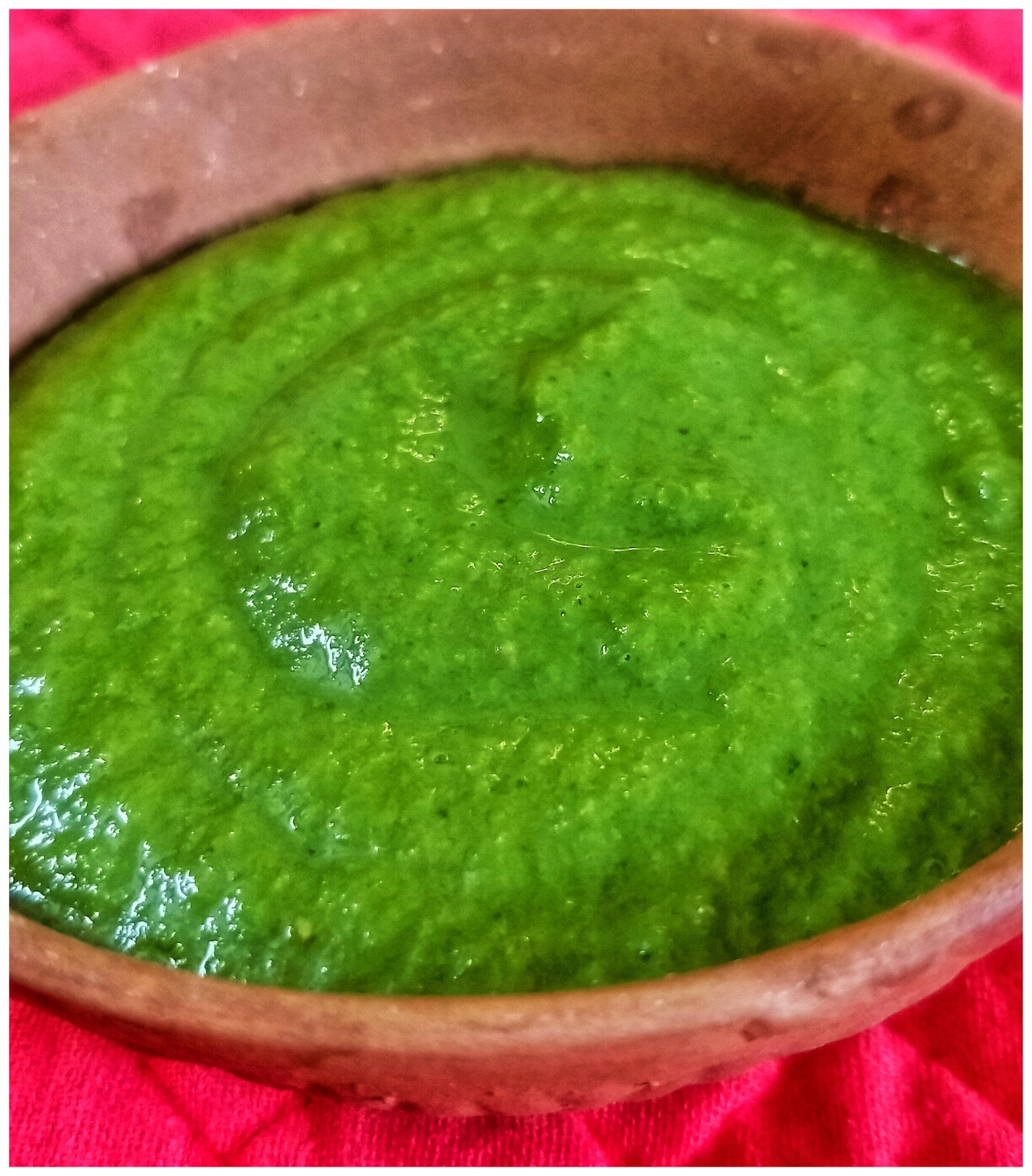
This coriander chutney is the best chutney you will ever make. I’m sure you can’t wait to make the perfect “GREEN” chutney. Here are the ingredients:

100 gms fresh dhaniya
1 inch ginger
3 cloves of garlic
salt to taste
1/2 tsp cumin seeds
1green chilly ( adjust it to taste)
1tbspn curd
juice from half a lemon

Mix all of the above ingredients in a blender.
Enjoy the vibrant colour and taste!!

Happy cooking! And remember ” the secret ingredient is always love”.

Do let me know if you like the recipe.
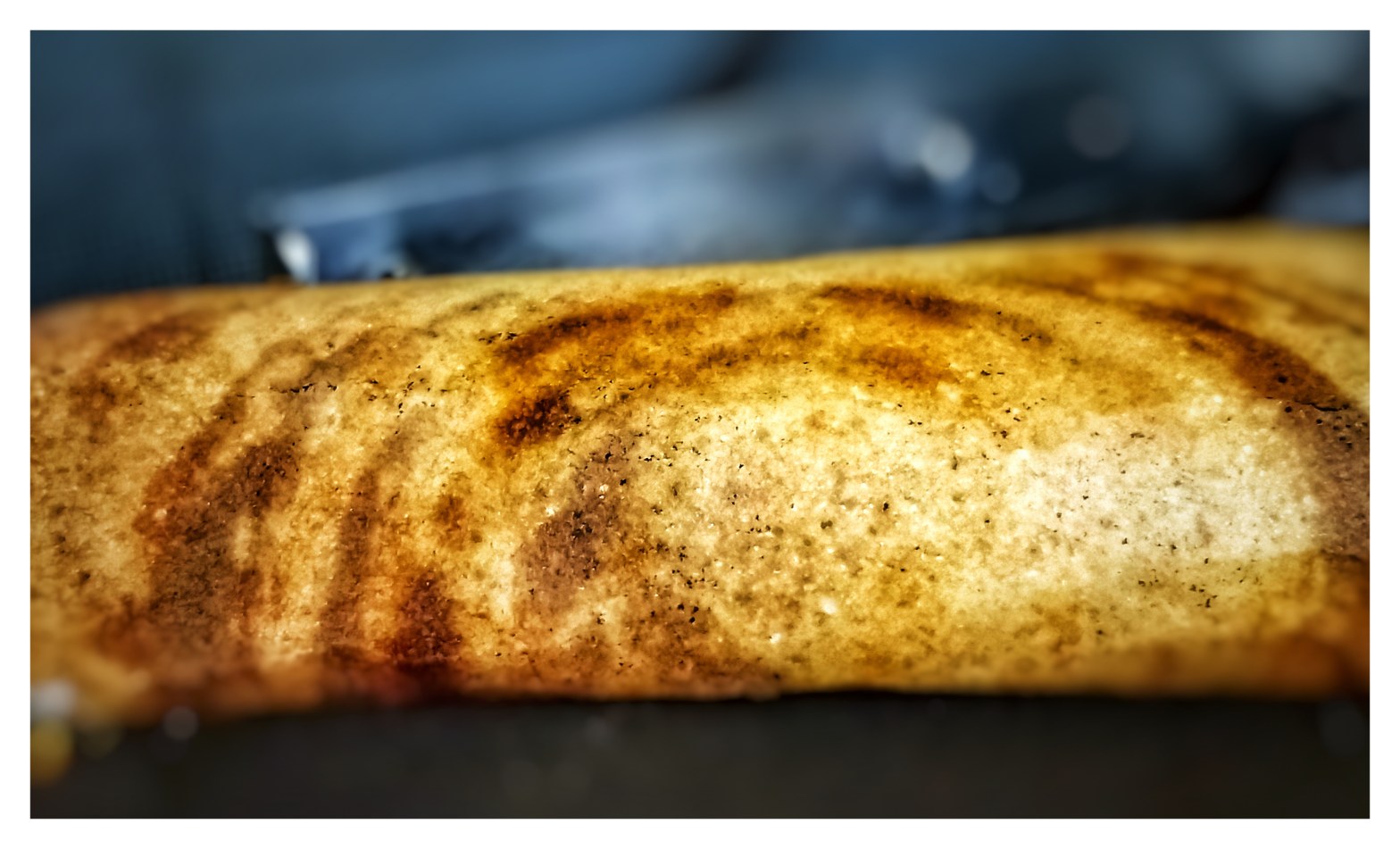
Plain Dosa

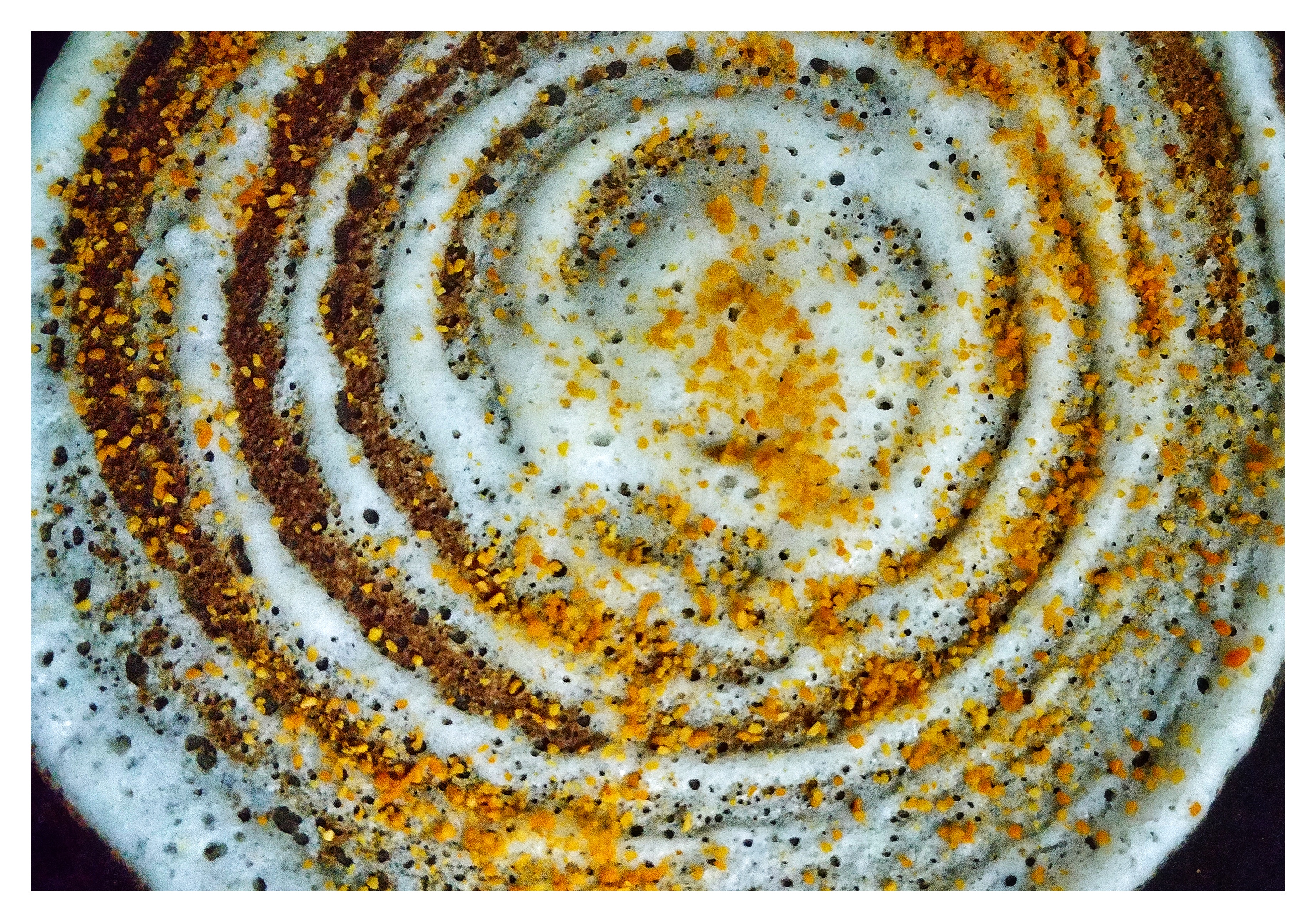
Plain Dosa with idli podi

dosa is a cooked flat thin layered rice batter, originating from South India, made from a fermented batter. It is somewhat similar to a crepe in appearance. Its main ingredients are rice and black gram that are grounded together in a fine, smooth batter with a dash of salt. Dosas are a typical part of the South Indian diets, but the dish is now popular all over the India. Traditionally, dosas are served hot along with sambhar and chutney. They can be consumed with idli podi as well.

Dosa is high in carbohydrates and contains no added sugars or saturated fats. As its key ingredients are rice and black gram, it is also a good source of protein. A mixture of rice and black gram that has been soaked in water is ground finely to form a batter. Some add a handful of fenugreek seeds soaked along with the rice.After the overnight fermentation, the batter is mixed with water to get the desired thickness. The batter is then ladled onto a hot tava (griddle) greased with oil or ghee . It is spread out with the base of a ladle or bowl to form a pancake. It can be made either to be thick like a pancake, or thin and crispy. A dosa is served hot, either folded in half or rolled like a wrap.

The most popular version is the masala dosa, with a filling of the potato masala. Mysore masala is the spicier version of it. Sada (plain) is without filling; paper dosa is a thin and crisp version. Rava dosa is made crispier using semolina. Newer recipes have been developed that use fusion, like Chinese dosa, cheese dosa, paneer dosa and many more.

What is idli podi?

Idli podi  is a coarse spice powder, originating from South India, with a mixture of ground dry spices that typically contains dried chilis, black gram, chickpeas, salt and sesame seeds. The spice mix is commonly referred to in informal speech as “gunpowder.”

You can check out my post on Onion Uttapam for dosa batter. I use the same batter with same consistency to make dosas too.

Method:

Pour a ladle full on Dosa batter on a hot tawa. With the back of the ladle spread the batter starting from centre and moving outwards in a circular motion. Sprinkle some ghee on the edges and cook till crisp. If you are able to make thin dosas, donot flip and cook. If it’s thick at the centre or edges, you should cook both the sides.

You need some practice to get perfect dosas. It took me a year to get the desired results ( after making dosas fortnightly).

I prefer using Sona Masoori rice for making dosas and Uttapams. And soaking the grains for atleast 10 hours results in a smooth batter.

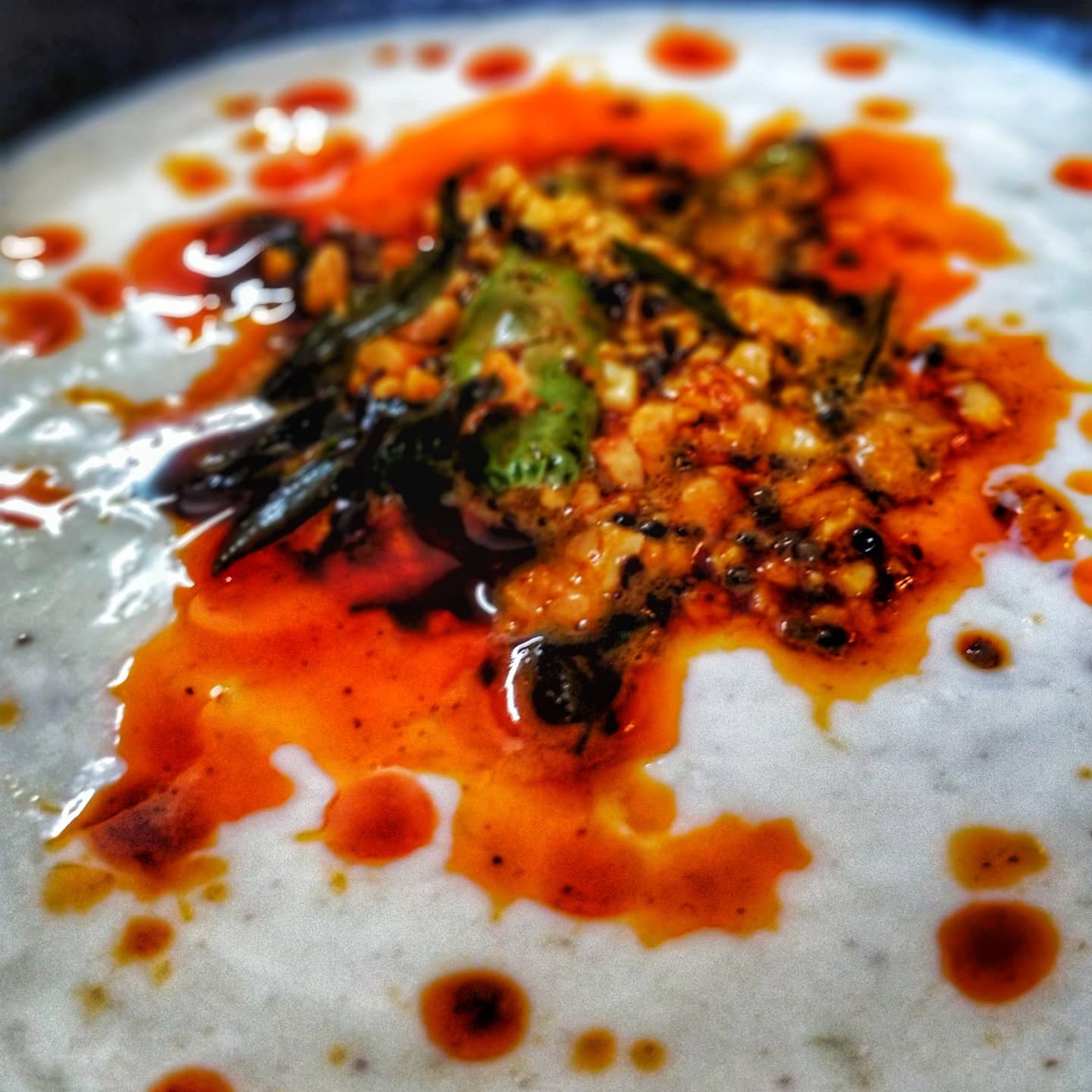
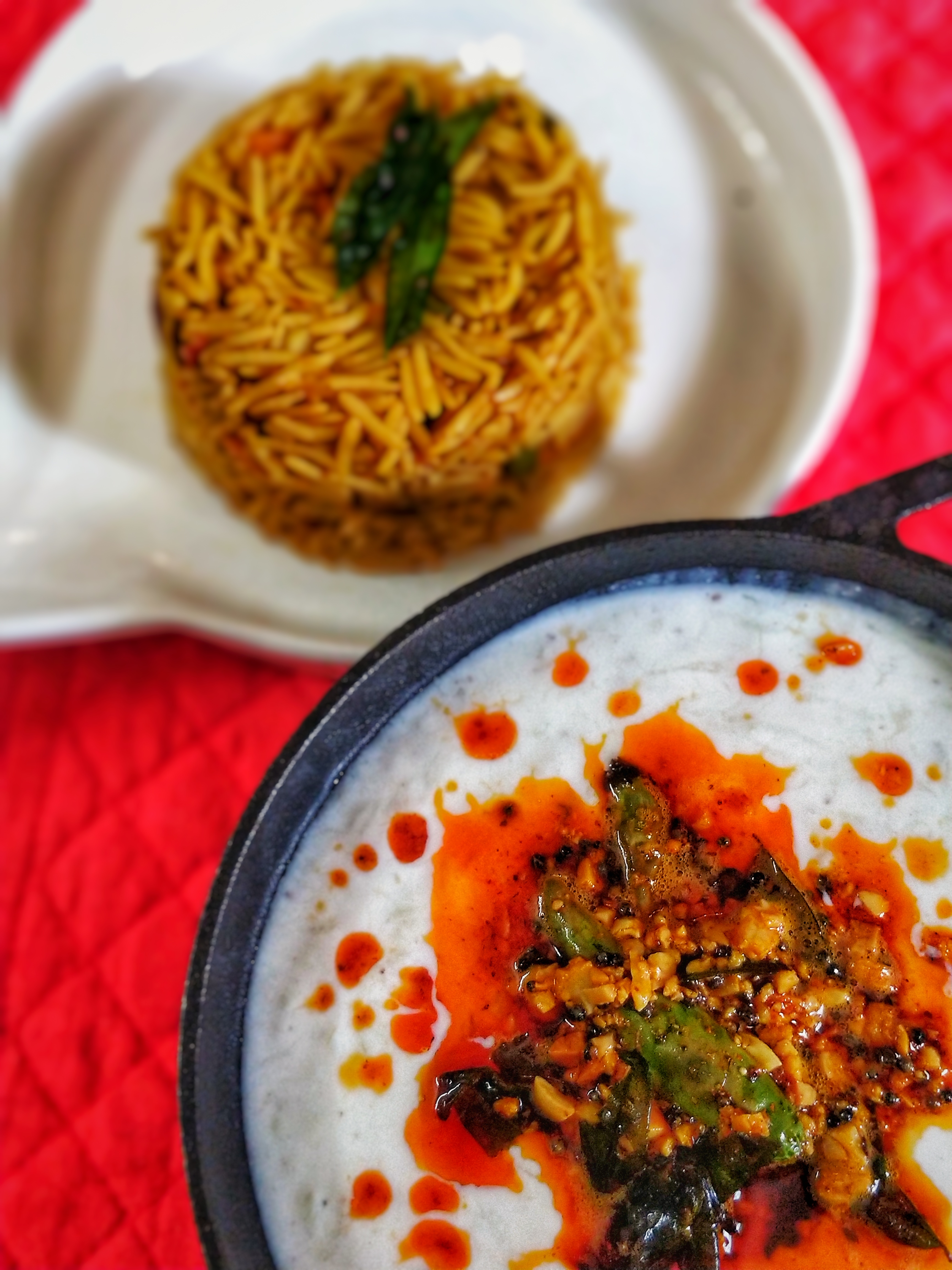
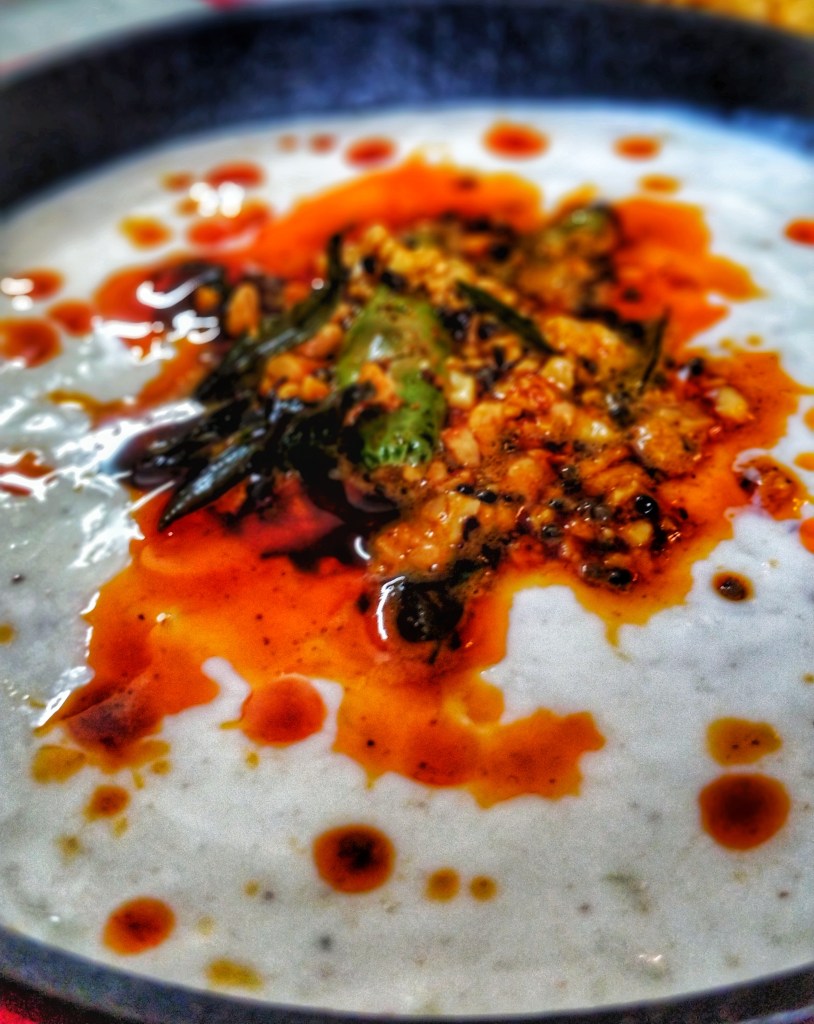
Gastronomical Lauki Raita

Raita is a condiment in Indian cuisine made of dahi (yogurt, often referred to as curd) together with raw or cooked vegetables, more seldom fruit, or in the case of boondi raita, with fried droplets of batter made from besan.The yogurt may be seasoned with coriander roasted cumin seeds, mint, red chilli Powder, chaat masala and other herbs and spices.Raw ginger and garlic paste, green chilli paste, and sometimes mustard paste are used to enrich flavour.

Raitas can be prepared with three main base ingredients: vegetables (cucumber, onion, tomato,lauki, potato etc), pulses ( boondi, sprouted grams etc ) and fruits ( mango, pomegranate, pineapple, pear etc ).These are mixed with yogurt and flavoured with a variety of seasonings to make different types of raita.

Raita is served as a side dish to be eaten with main course dishes like Biryani, Seekh Kebabs, Paranthas, Pilaf etc.

Bottle Gourd has always been regarded as one of the healthiest veggies. This very versatile vegetable is full of water (about 92%) and minerals and keeps your body hydrated. Also known as Lauki or Doodhi in India, it definitely doesn’t get as much attention as it deserves. “Bottle gourd is a vegetable high on water and is a rich source of vitamin C, K and calcium.

Lauki has cooling properties which makes it essential during summer. This recipe requires very minimal Ingredients , which are easily available at our houses. The tempering gives it a unique taste and makes it a complete GASTRONOMICAL EXPERIENCE!!

Ingredients:

200 gms dahi

A cup of lauki ( grated, blanched and squeezed)

2tbspn water

2tsp powdered sugar

Salt to taste

1tsp kala namak

1tsp roasted jeera powder

1 tsp garlic powder ( optional)

For tempering:

2 green chillies ( slit lengthwise)

1tsp mustard seeds
A sprig of curry leaves

1tsp crushed peanuts

A pinch of hing

1/2 tsp kashmiri lal mirch ( just enough to add colour)

Method:

In a large bowl sieve dahi, water and sugar. Once sieved, add Lauki, salt, cumin powder and garlic powder.

For making the tempering: in a pan heat a tbspn of oil/ ghee. Splutter mustard seeds and add hing. Now add the curry leaves and green chillies. Cook for a minute. Switch of the flame and add peanuts and chilli powder.

Immediately pour the tempering over the Raita.

Serve it with Pulao, Naan, Paranthas!

Note:

1. Donot add too much of water. The Raita should have a thick consistency.

2. You can add milk instead of water. It will give more richness and add a fine texture to the Raita. The milk should be cold.

3. Donot add too much of spices in the Raita. You want the tempering to add taste to it.

4. If you donot like your raita to be sweet, you can skip sugar.

P.S: If you follow my posts closely, you will find that I like adding garlic to almost all my food. If the recipes say 3 cloves of garlic, I would have surely added 5. You can totally adjust it to your taste, no hard and fast rules here.

Keep cooking!!

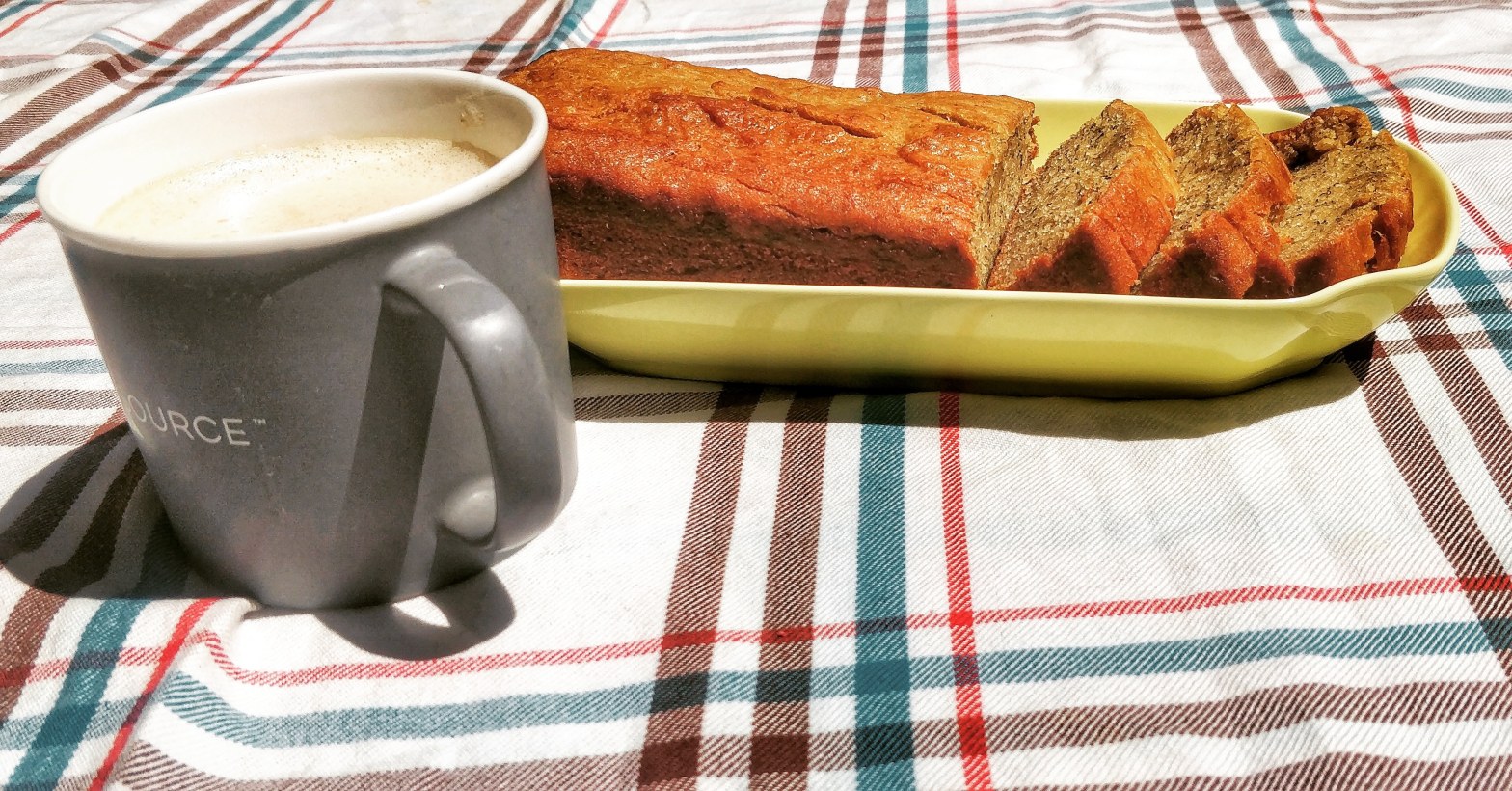
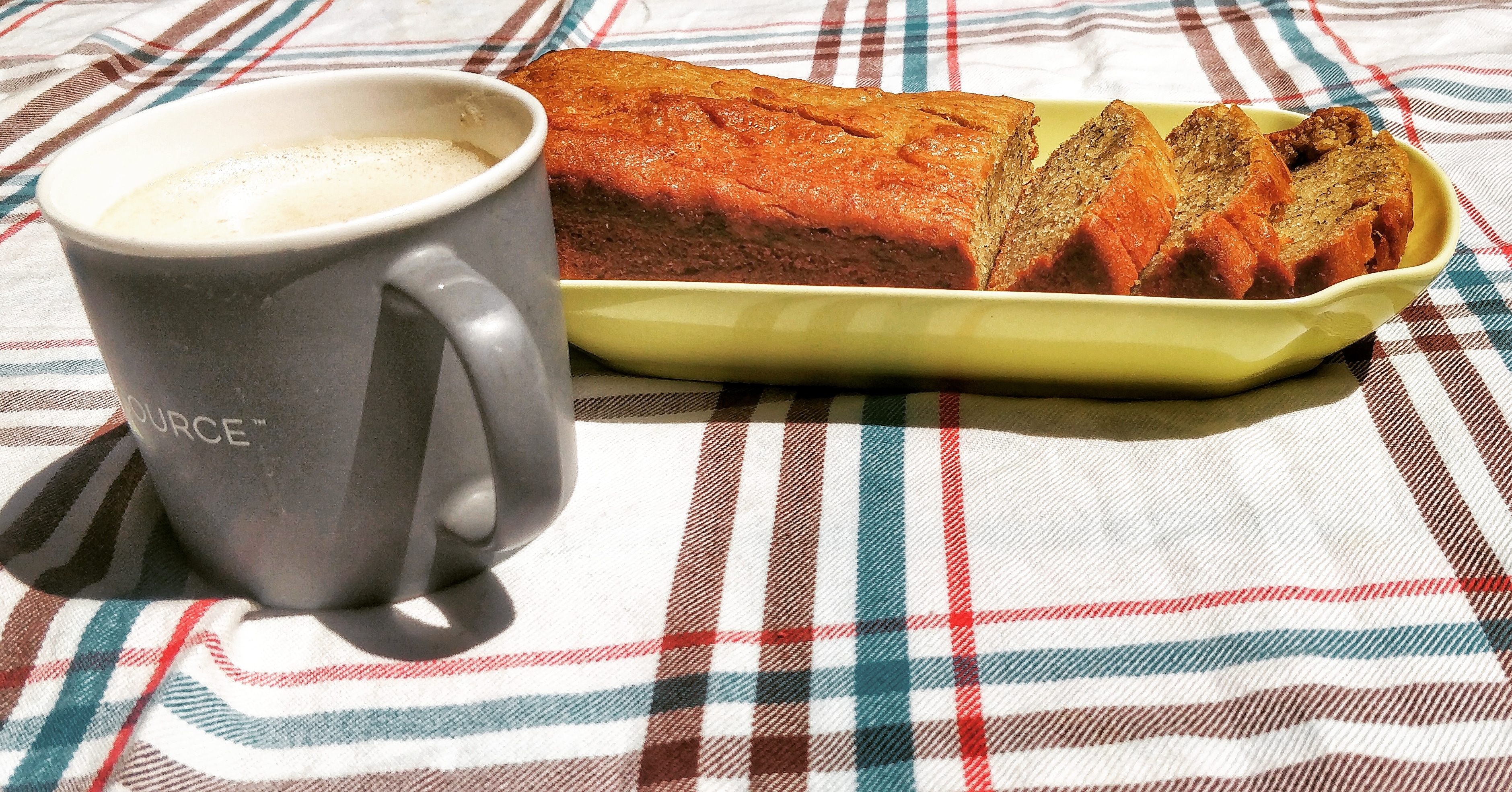
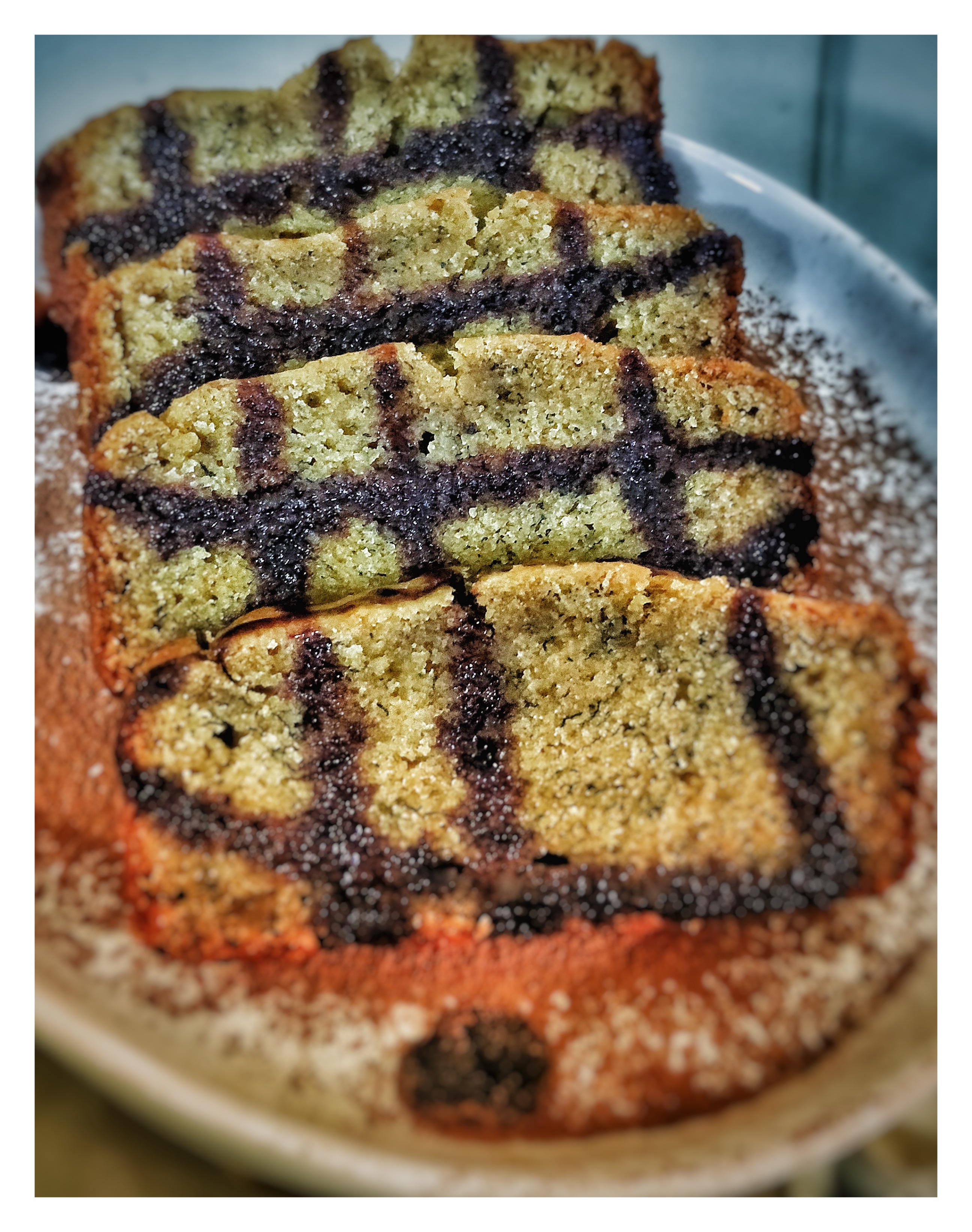
Banana Cake

Cake is a form of sweet food made from flour, sugar, and other ingredients, that is usually baked. In their oldest forms, cakes were modifications of bread, but cakes now cover a wide range of preparations that can be simple or elaborate, and that share features with other desserts such as pastries, meringues, custard and pies.

Cake is often served as a celebratory dish on ceremonial occasions, such as weddings, anniversaries, and birthdays. There are countless cake recipes; some are bread-like, some are rich and elaborate, and many are centuries old. Cake making is no longer a complicated procedure; while at one time considerable labor went into cake making (particularly the whisking of egg foams), baking equipment and directions have been simplified so that even the most amateur of cooks may bake a cake.

Important Note: A cake can fail to bake properly, which is called “falling”. In a cake that “falls”, parts may sink or flatten, because it was baked at a temperature that is too low or too hot,when it has been underbaked and when placed in an oven that is too hot at the beginning of the baking process. The use of excessive amounts of sugar, flour, fat or leavening can also cause a cake to fall. A cake can also fall when subjected to cool air that enters an oven when the oven door is opened during the cooking process.

Most cakes rely on eggs to create that fluffy, cloud-like texture. The good news is that you can replicate the same spongy texture without the use of eggs. Eggs can be replaced with mashed bananas, applesauce, vinegar with baking soda, yogurt and silken tofu, depending on the recipe. Eggless cakes can be tricky, but they don’t always have to be fussy or complicated. Eggless cakes like banana cake, truffle cake or even a decadent, eggless cholcolate , are a treat to taste buds as much as the one’s with egg.

Banana cake is a cake prepared using banana as a primary ingredient and typical cake ingredients. It can be prepared in various manners, such as a layer cake, as muffins and as cupcakes.The bananas can be mashed or pureed using a food processor or electric mixer and mixed into the cake batter.

The recipe below uses whole wheat flour and over riped bananas. The recipe is adapted by @VEGRECIPESOFINDIA.

Ingredients:

300 grams over riped bananas

1.5 cups whole wheat flour

1 tsp baking powder

1/2 tsp baking soda

a pinch of salt

1/2cup powdered sugar

2/3 cup Olive oil

1 tsp vanilla essence

10 walnuts, chopped or any dry fruits of your choice (optional). Walnut goes best with bananas.

Method:

Add bananas to a bowl and mash them with a fork. You can also use a blender to mash the bananas.

Add sugar, oil and vanilla essence to bananas.

Stir very well so that the oil mixes with the banana puree and the sugar dissolves.

Sieve whole wheat flour, baking soda, baking powder, salt directly in the bowl. You can also sieve these separately and then add them to the wet ingredients.

Fold the dry ingredients into the wet ingredients very well.

Add the chopped walnuts (or any other dry fruit) and fold again. Chocolate chips can also be added.

Pour the batter in a greased or lined loaf pan.

Preheat your oven at 180 degrees C or 350 degrees F. If using a regular oven, heat both the top and bottom elements. Bake at 180 degrees for 35 to 40 minutes.

Depending on the temperature in your oven and the size of your pan, The cake might take less or more time than mentioned here. The temperature varies from oven to oven. To check the doneness, the skewer should come out clean when poked.

Happy Baking!!!

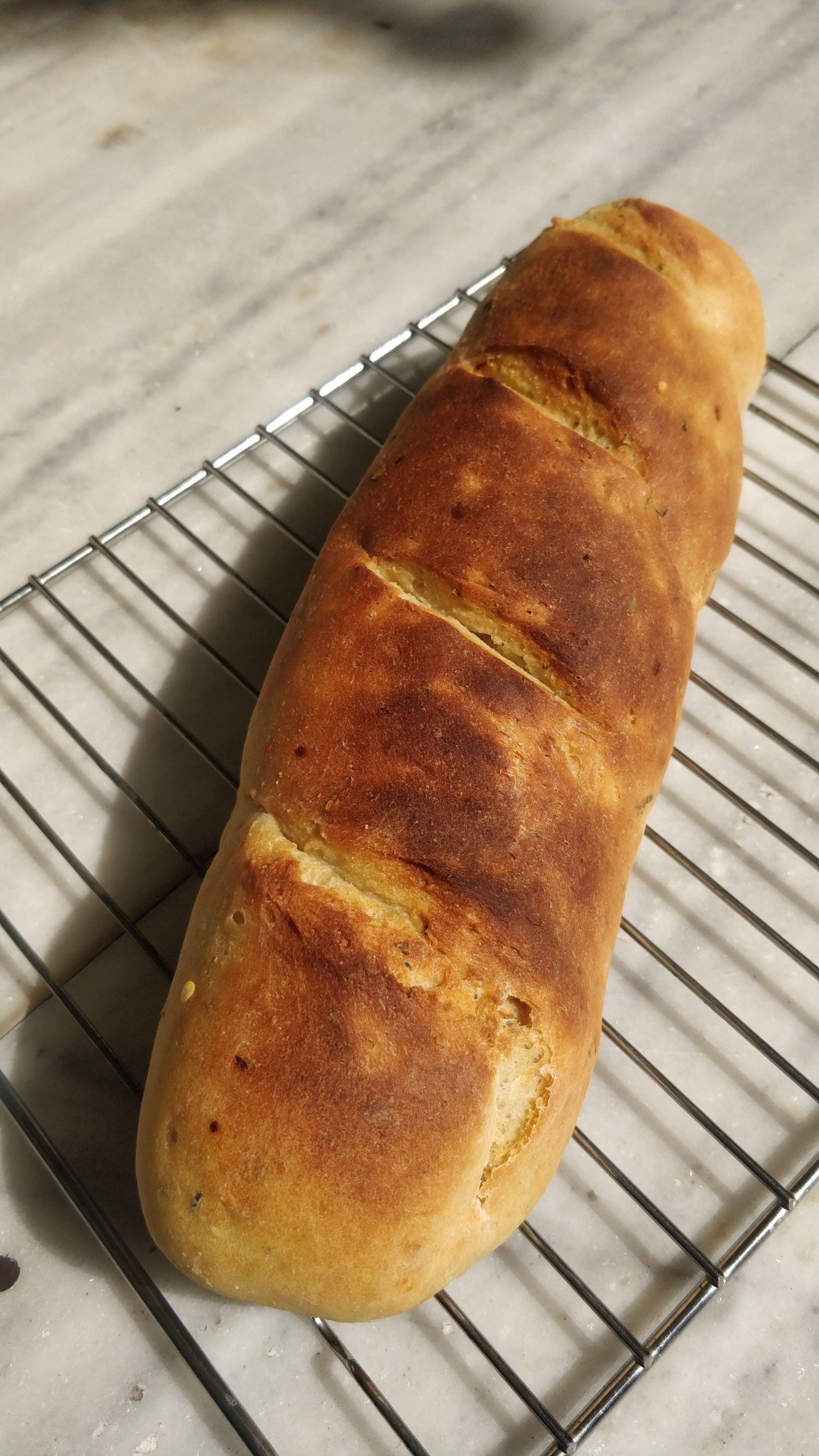
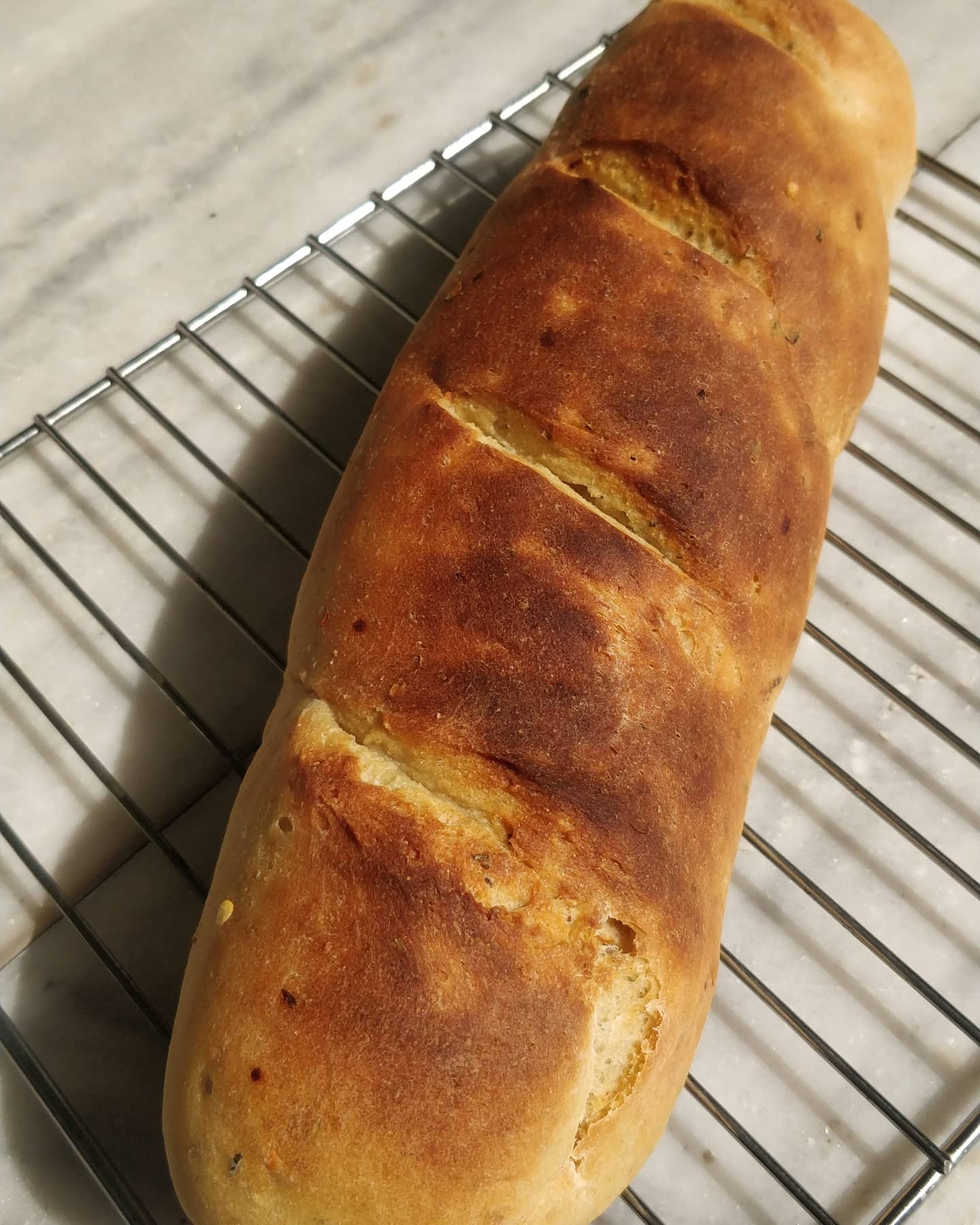
French Baguette

baguette is a long, thin loaf of French bread that is commonly made from basic lean(the dough, though not the shape, is defined by French law). It is distinguishable by its length and crisp crust. Baguettes are closely connected to France, though they are made around the world. In France, not all long loaves are baguettes; for example, a short, almost rugby ball-shaped loaf is a bâtard.  A thinner loaf is called a ficelle (string). A short baguette is sometimes known as a baton (stick), or even referred to using the English translation French stick. None of these are officially defined, either legally or, for instance, in major dictionaries, any more than the baguette. French breads are also made in forms such as a miche, which is a large pan loaf, and a boule, literally ball in French, a large round loaf. Sandwich-sized loaves are sometimes known as demi-baguettes or tiers.

They say that nothing can come close the bread you can get in France. I’ve never been, so I can’t say for sure, but I think you’d stand the best possible chance if you make it yourself. I mean, how could anything be better than a freshly baked loaf of bread? That crackly crust, the tender, airy crumb inside, steamy and yeasty and just begging to be torn into!

Give it a try. It’ll only take simple ingredients and a few easy steps.

Ingredients

2cups flour ( i added equal qts of whole wheat and maida)
1cup water ( just barely warm)
1tbspn olive oil
1/2tsp salt
1.5 tsp dry active yeast
1/2tsp powdered sugar

Method:

In a bowl add water, yeast and sugar. Mix well. Let it sit for 10 mins.

In another bowl sieve flour , add salt and oil. Pour in the yeast solution and mix it with a fork. ( At this stage you can add herbs, olives, grated cheese, pepper).
On a clean floured surface, place the dough and knead it with the palms. Knead just enough to mix all the ingredients. Transfer the dough In a lighy greased bowl. Cover and let it sit for 1- 2 hrs or till doubled in size.
After the dough doubles, punch it with soft hands on a clean surface and give it a desired shape. Place it on a parchment paper lined on a baking tray. Rest for about 35 mins before baking. Preheat oven at 250 degrees. Just before putting it in the oven, score the dough. Bake it for 25 mins at 200 degrees.

For doneness, tap the bottom of the bread. It should sound hollow.

Happy baking!!

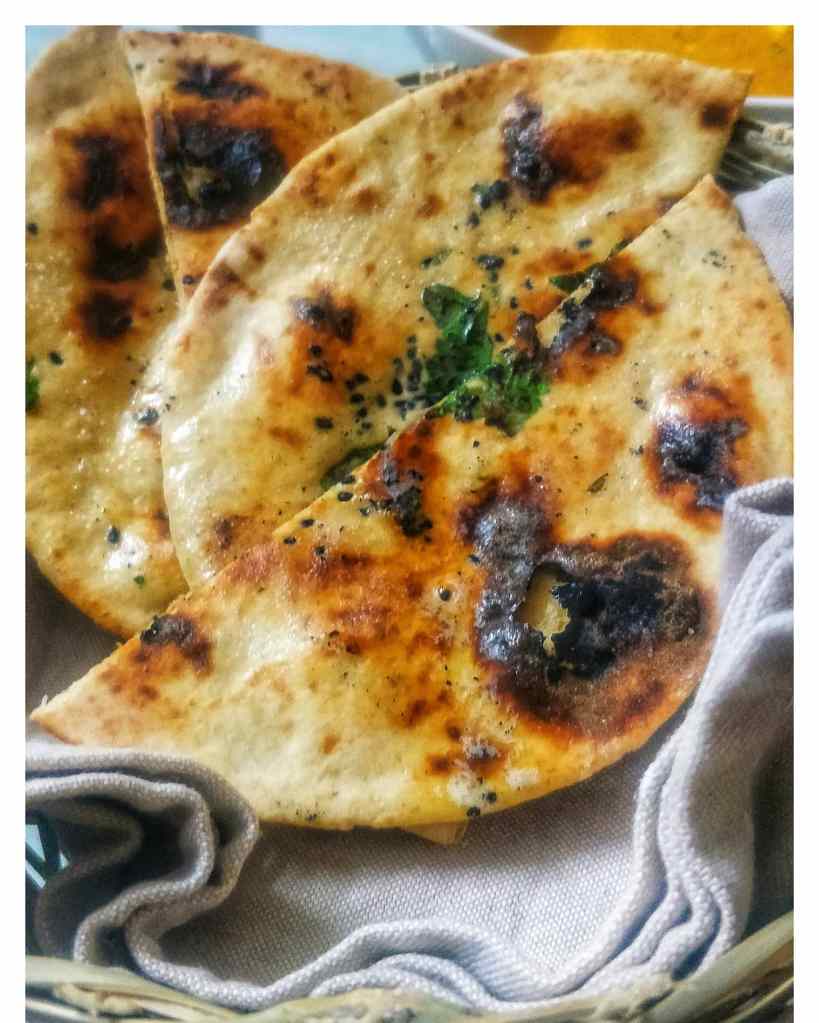
Tawa Naan

Naan is a leavened, oven – baked flatbread. It is found in the cuisines of Western and Southern Asia.The most familiar and readily available varieties of naan in Western countries are those from India.Naan is cooked in a tandoor, from which tandoori cooking takes its name. This distinguishes it from roti, which is usually cooked on a flat or slightly concave iron griddle called a tawa. Modern recipes sometimes substitute baking soda for yeast.

Milk or yoghurt may also be used to impart distinct tastes to the naan. Milk used instead of water will, as it does for ordinary bread, yield a softer dough.

A typical naan recipe involves mixing white or whole wheat flour with active dry yeast, salt, and water. The dough is kneaded for a few minutes, then set aside to rise for a few hours. Once risen, the dough is divided into balls , which are flattened and cooked.

Traditionally, naan is cooked in a tandoor (hot clay oven). But “tawa naan” is much easier to make. It turns out really soft and tastes great. Naan Goes well with Dal makhni, chole, palak paneer or any gravy based dish.

Ingredients:

1 cup whole wheat flour
1/4 cup maida
1tbspn powdered sugar
1tsp oil
1tsp salt
1tsp baking soda
1/4 cup curd ( at room temperature)
warm water for kneading.

Method:
in a bowl mix flour, salt, baking soda and sugar. Then add curd and oil. mix well. start adding warm water and knead into a smooth dough. cover with a wet clith and leave for 30 mins.
make small balls and keep it aside for 10 mins. on a clean surface roll the dough. you can add some chopped coriander and nigella seeds on top of the dough ball before kneading. take the rolled dough in your palm and brush with water on one side of the rolled dough. transfer it to a hot tawa, keeping the wet side down. ( make sure you donot use a nonstick tawa) cook it till bubbles start to appear. gently invert the tawa and cook the top directly on the flame. using a spatula remove the naan and brush with butter.

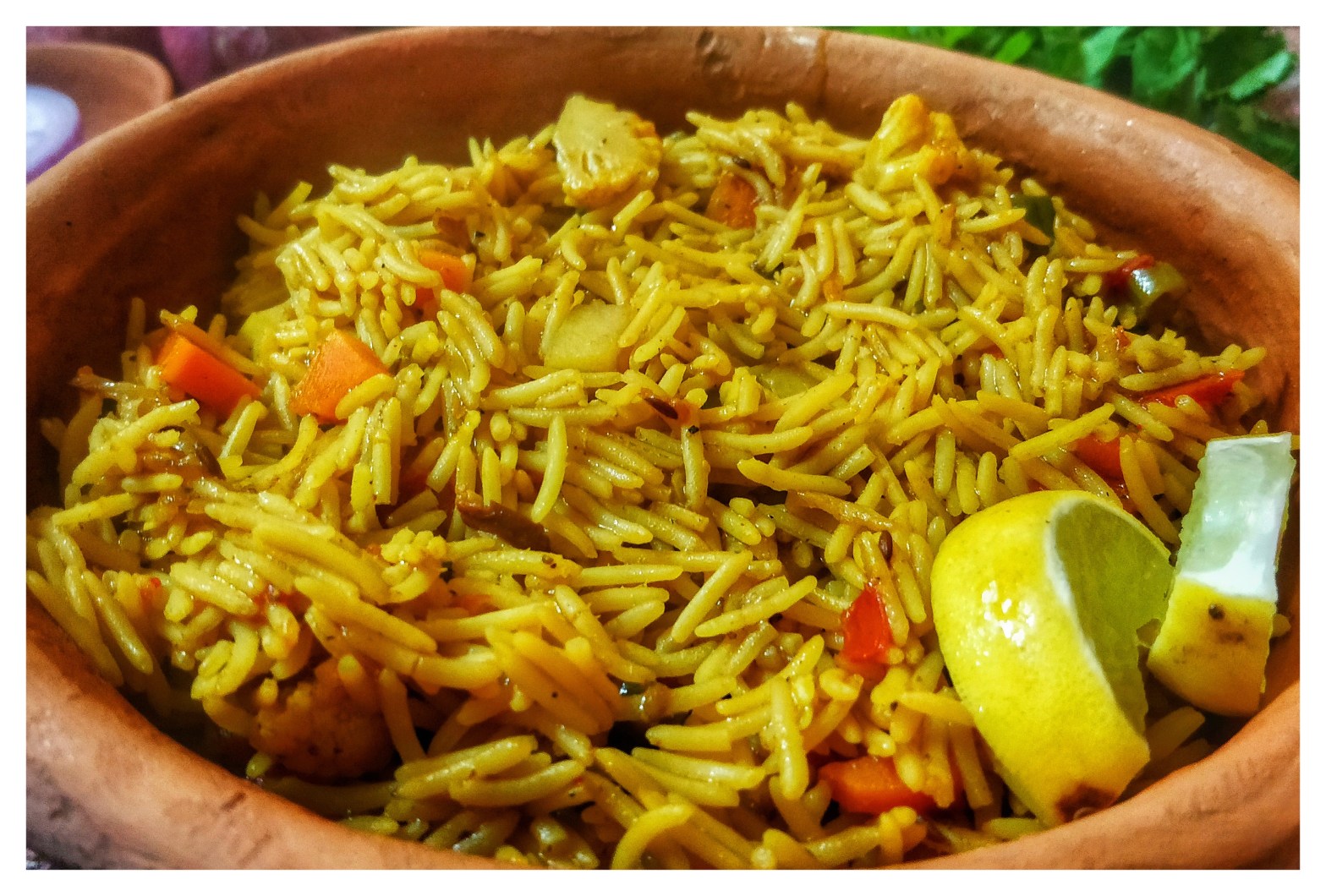
Tahri

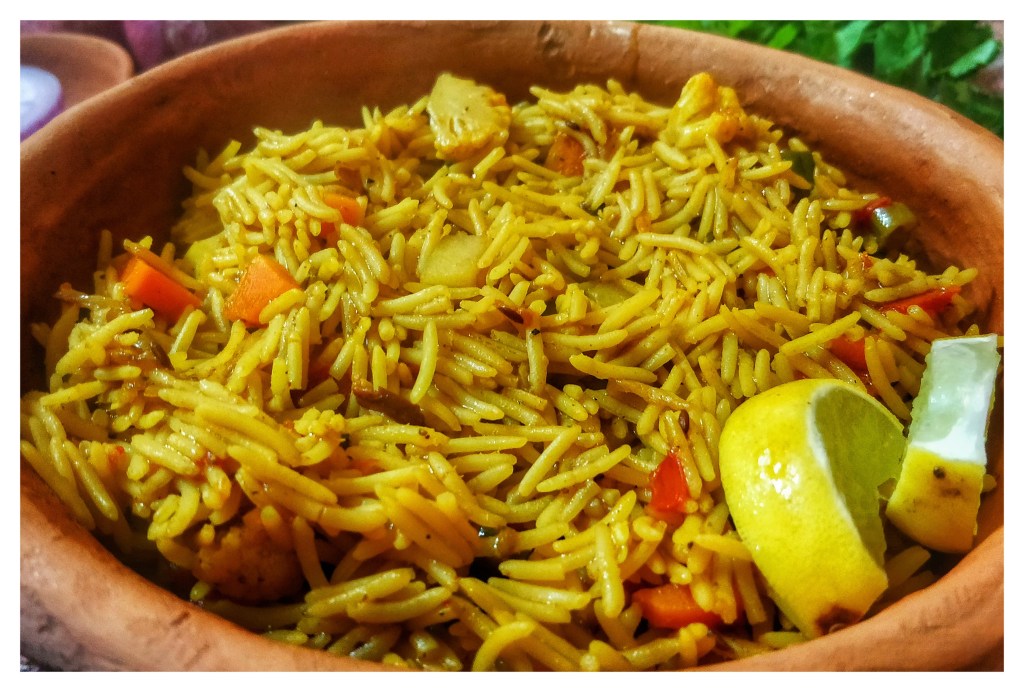
Tahri (also tehritehari or tayari) is a yellow rice dish in Awadhi cuisine. Spices are added to plain cooked rice for flavor and colour. In one version of Tehri, potatoes are added to the rice. This dish is most popular in Hyderabad

Tehri and tehari are variants on the name given to the vegetarian version of biryani. Tehri became more popular during the Second World War when meat prices increased substantially and potato became the popular substitute in biryani. It is prepared by adding the potatoes to the rice, as opposed to the traditional method of preparing biryani, in which the rice is added to the meat. In Kashmir, tehari is sold as street food.

What is Golden Sella Rice?

Golden Sella Basmati Rice is a cultivar of basmati rice that has been parboiled or partially boiled while still in its husk and then milled. So Golden Sella is actually parboiled basmati rice. The rice turns pale yellow after parboiling hence the name ‘Golden’.

Why Golden Sella Rice?

Sella rice takes a little bit longer to cook and does not stick to the pan during cooking. The grains remain fluffy, firm and separate after cooking.The rice also has a strong ability to absorb the flavours of herbs, spices and condiments and is best used in cooking dishes such as Pulao and Biryani.

Note: I don’t find it good for plain steamed rice.

Keep the following recipe handy and cook up a storm!!

Ingredients:
1cup golden sella basmati rice, soaked for about an hour ( you can use any variety of basmati rice)
1/2 cup chopped vegetables ( carrot, potato, cauliflower, french beans) you can add peas too ( I don’t like it,:p)
1cup sliced onions
4 nos each of cardamom, clove, peppercorns
2 Black cardamom
an inch of cinnamon stick
2 star anise
2 tsp cumin seeds
1/2 tsp hing
1tsp each of ginger, garlic and green chillies chopped
2tbspn oil ( i used a a mix of mustard oil and ghee)
salt to taste
1.5 tsp garam masala powder
1 tsp turmeric powder
1tsp kashmiri lal mirch
1/2 tsp coriander powder
2 cups water

Method:
In a kadhai heat oil. Add all the whole spices and hing. Add onions and saute till dark brown ( to the point till it looks fried). Add chopped ginger, garlic and green chillies. saute for a minute. Then add chopped vegetables and powdered spices, mix well. Add 2cups of water. ( if using normal basmati rice add just a little less than 2 cups). Bring to a boil.Add rice and mix well. Wait for a boil and then cover the lid and cook on low flame till done.
Serve with chutney, raita or just eat it with you favourite pickle!!!

Nepalese Momos

Nepali/ Nepalese cuisine comprises a variety of cuisines based upon ethnicity, soil and climate relating to Nepal’s cultural diversity and geography.

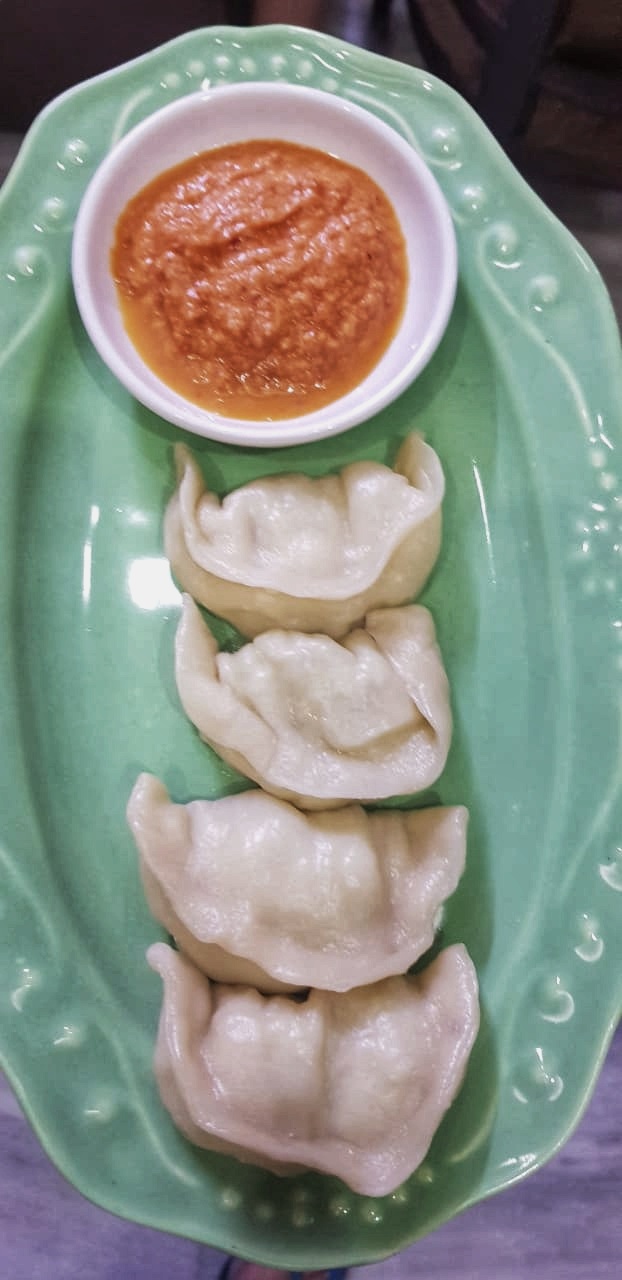
Much of the cuisine is variation on Asian themes. Other foods have hybrid Tibetan, Indian and Thai origins. Momo—Tibetan style dumplings with Nepali/Nepalese spices—are one of the most popular foods in Nepal. They were originally filled with duffalo meat but now also with goat or chicken, as well as vegetarian preparations. 

“Momo’ is to Nepal what pizza is to Italy

There are typically two types of momo, steamed and fried. Momo is usually served with a dipping sauce (locally called chutney/achaar), normally made with tomato as the base ingredient. 

There are three steps to making momo: you will first need to prepare fillings, then the wrappers, and finally you can cook them.Honestly momos take a bit of time to make, especially if you are not familiar with the recipe, but I assure you the end result is worth it.

So let’s get to it!

Ingredients:
For dough
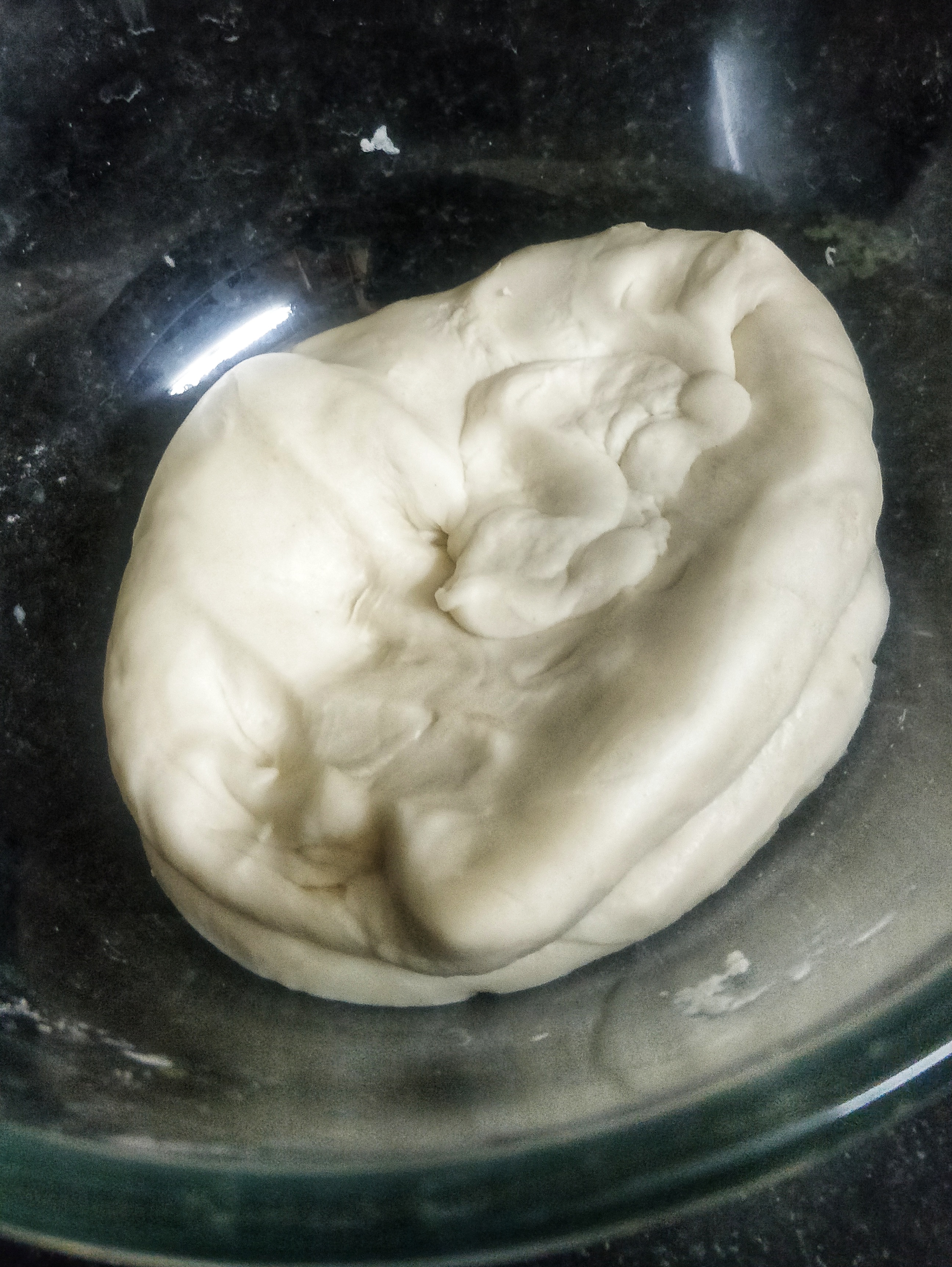
Maida 100 gms
Water ( enough to mix the dough)

For filling
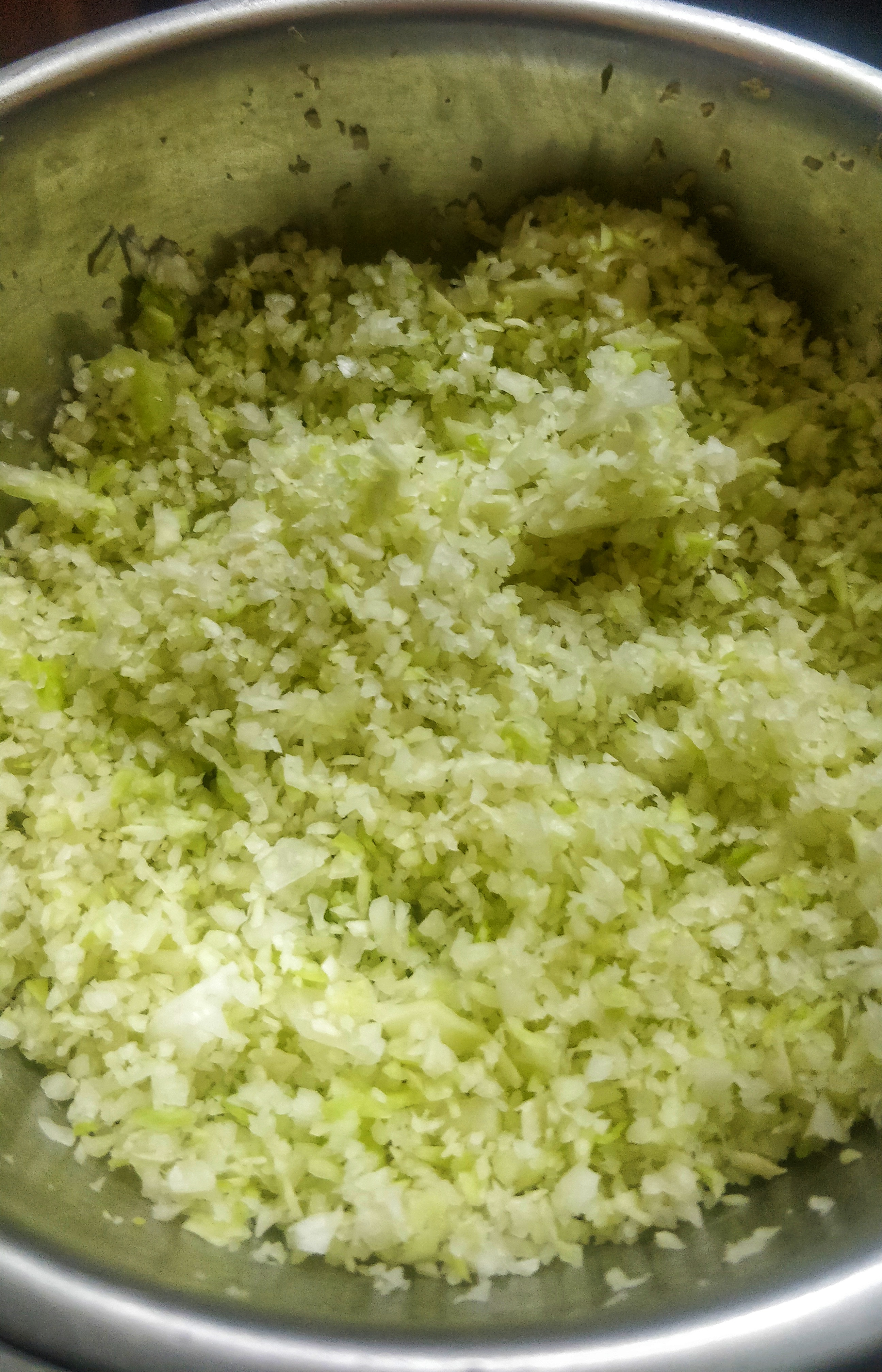
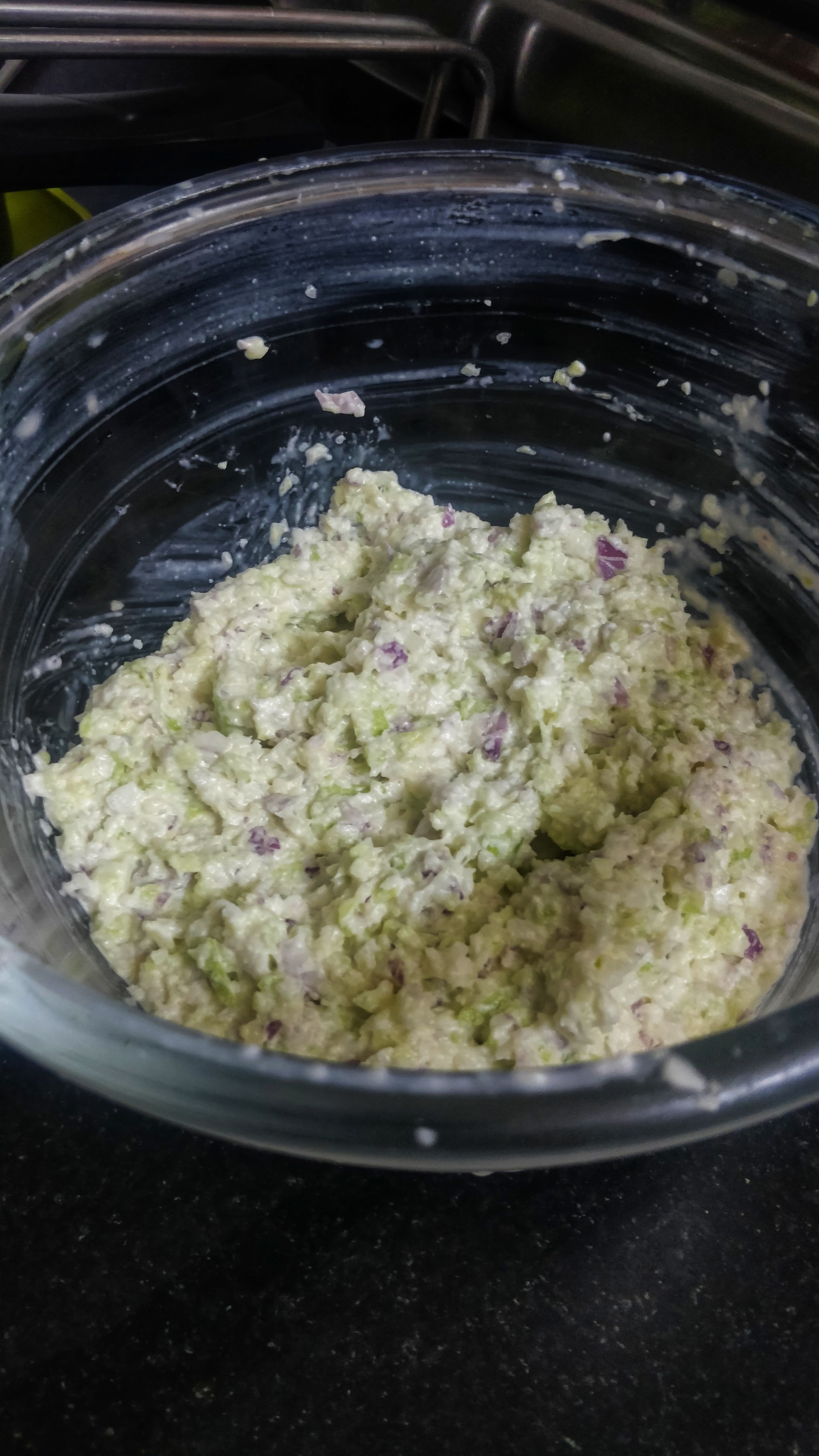
1.5 cups very very finely chopped cabbage
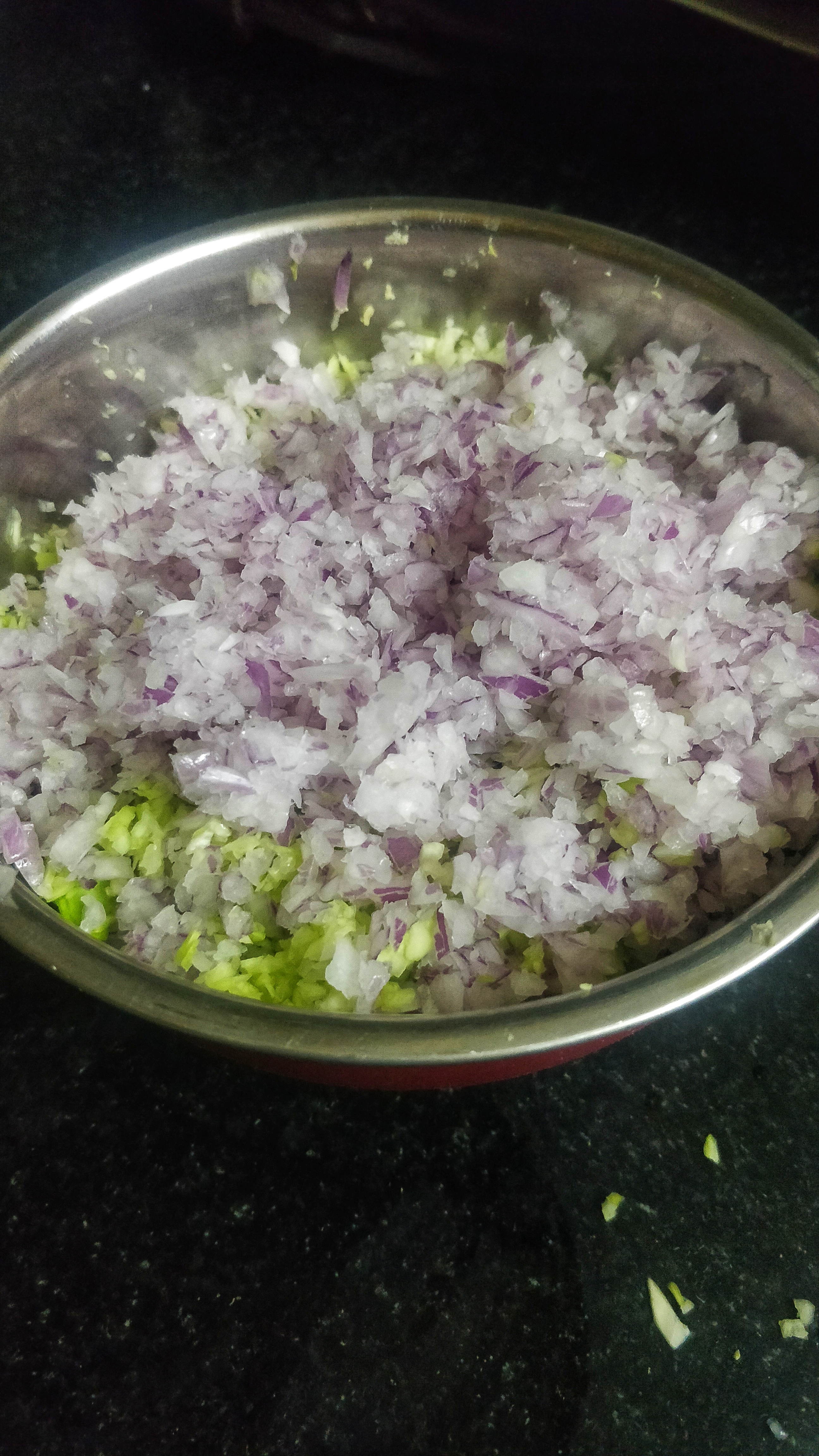
2 onions very very finely chopped
Salt to raste
1.5 tbsp ghee
Grated cheese ( optional) today i used cheese spread.

For chutney

2tbspn white sesame
1tsp olive oil
Salt to raste
3 nos. Tomatoes
15 cloves garlic
15 – 20 whole dried red chilies

Method:

Mix in the water and maida to prepare dough. It should be very soft. Knead for 5 mins on a clean counter and cover with a damp cotton cloth for 30 mins or until ready to roll.
Squeeze the chopped vegetables between your palms to drain excess water. Mix in ghee and cheese. In a large bowl, using you hands give it a good mix to incorporate the ghee and cheese well. This will add more flavour into the filling. Add salt only when ready to fill. Keep the filling in the fridge till you get other things ready.

For chutney: roughly chop the tomatoes. In a pan heat oil and add sesame seeds. Just before the seeds turn brown add the remaining ingredients and cook till the tomatoes are done. Let it cool completely. Grind it to make a fine paste.

Rolling the dough:
On a clean counter roll the dough into thin discs. Put a spoon of the filling in centre, place one edge over another and press to seal.
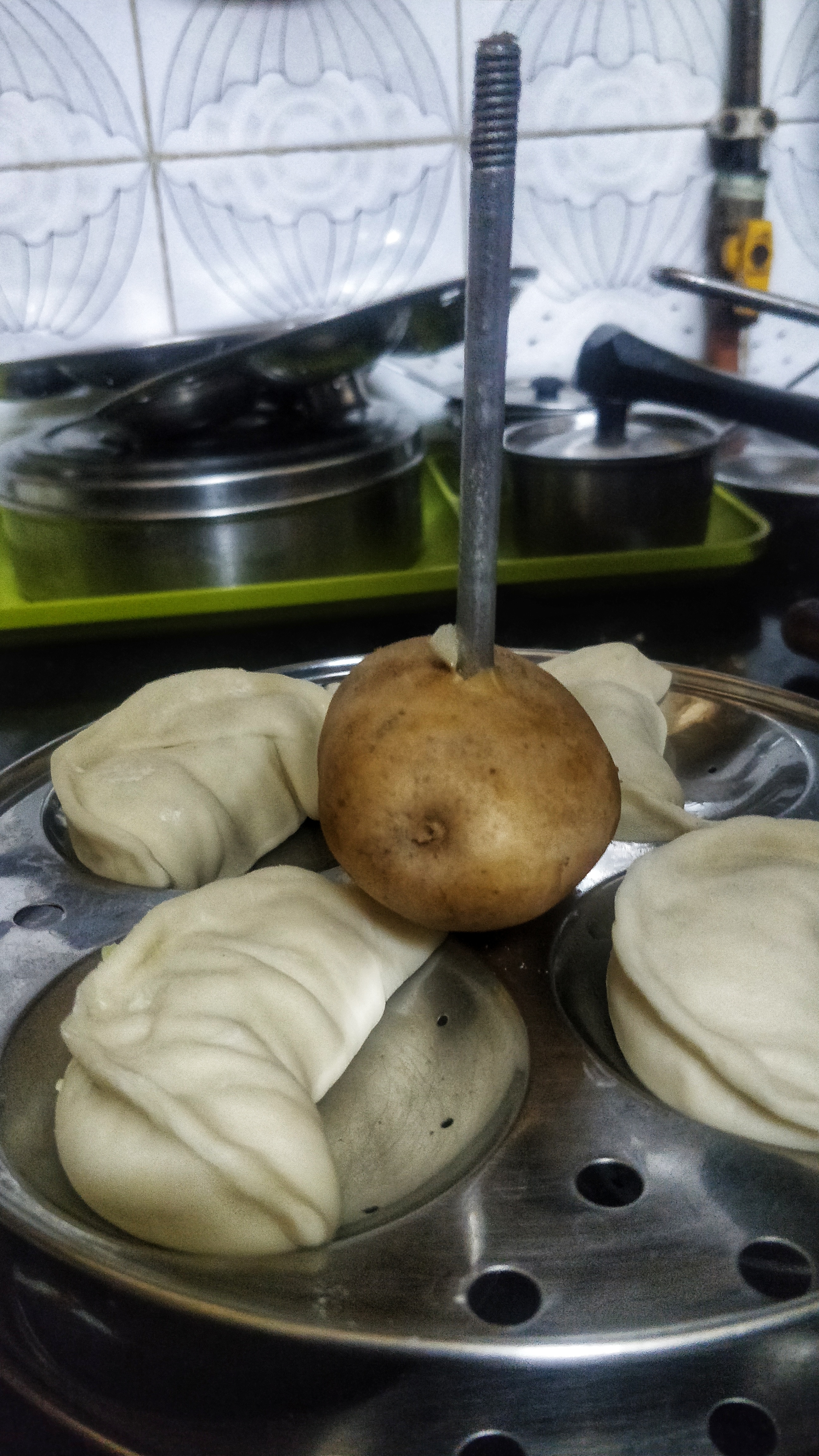
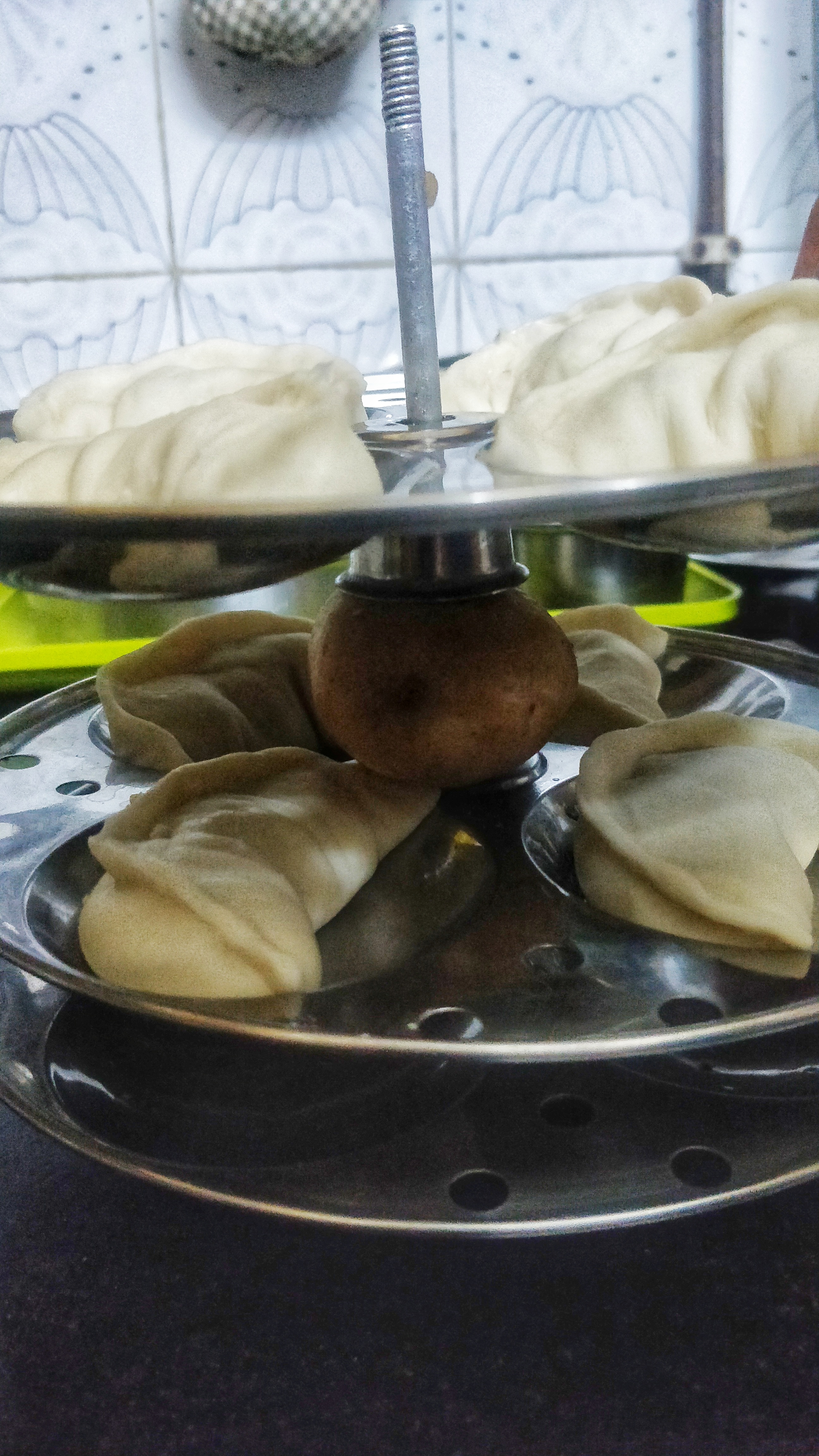
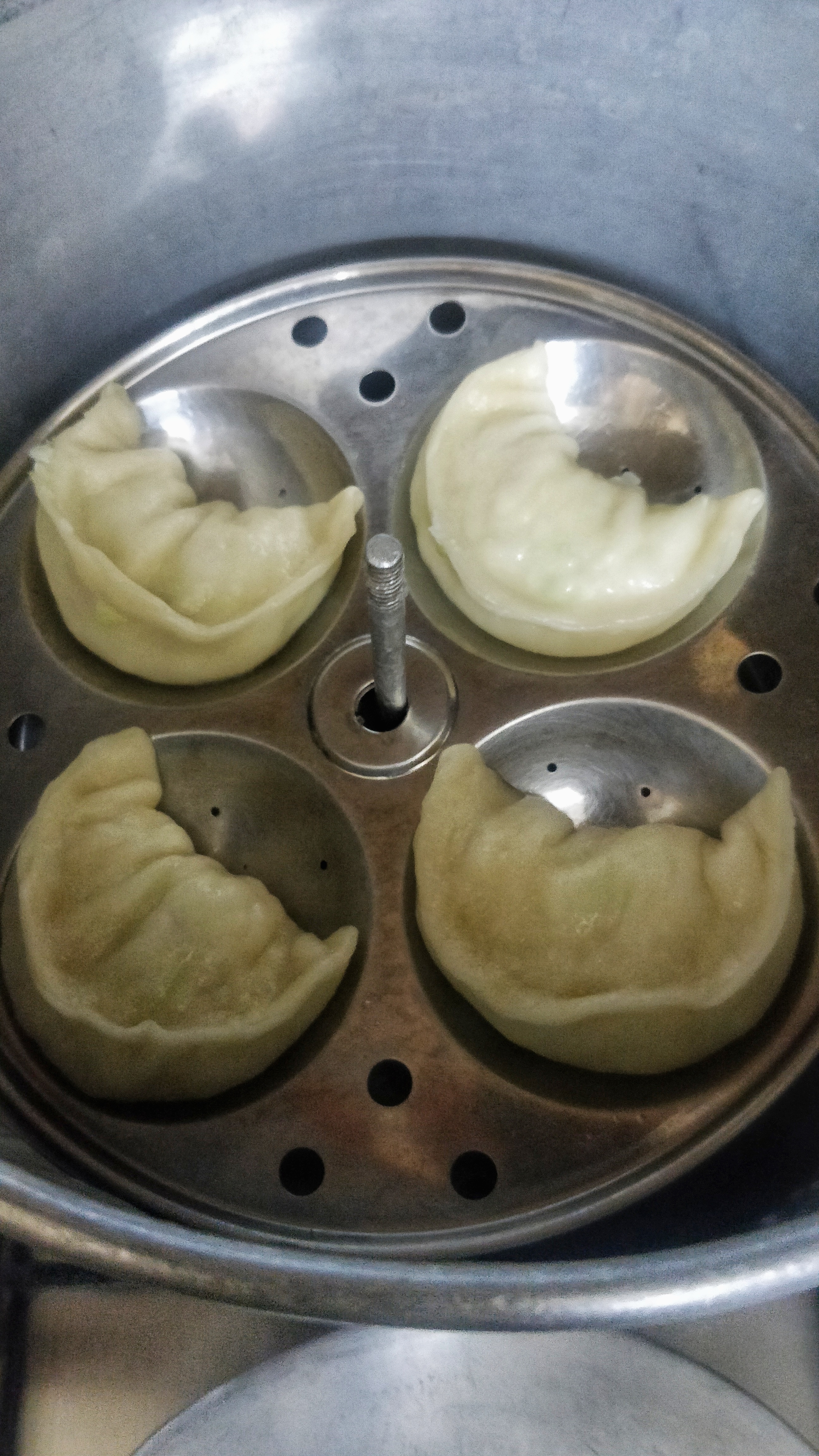
Grease the idli plates with oil and place the momos. Steam for 5- 10 mins. Voila!!

Note: The potato used in the hack can be used as it gets steamed by the time you are finished making all of the momos.

Attaching some pictures for better understanding.

Onion Uttapam!

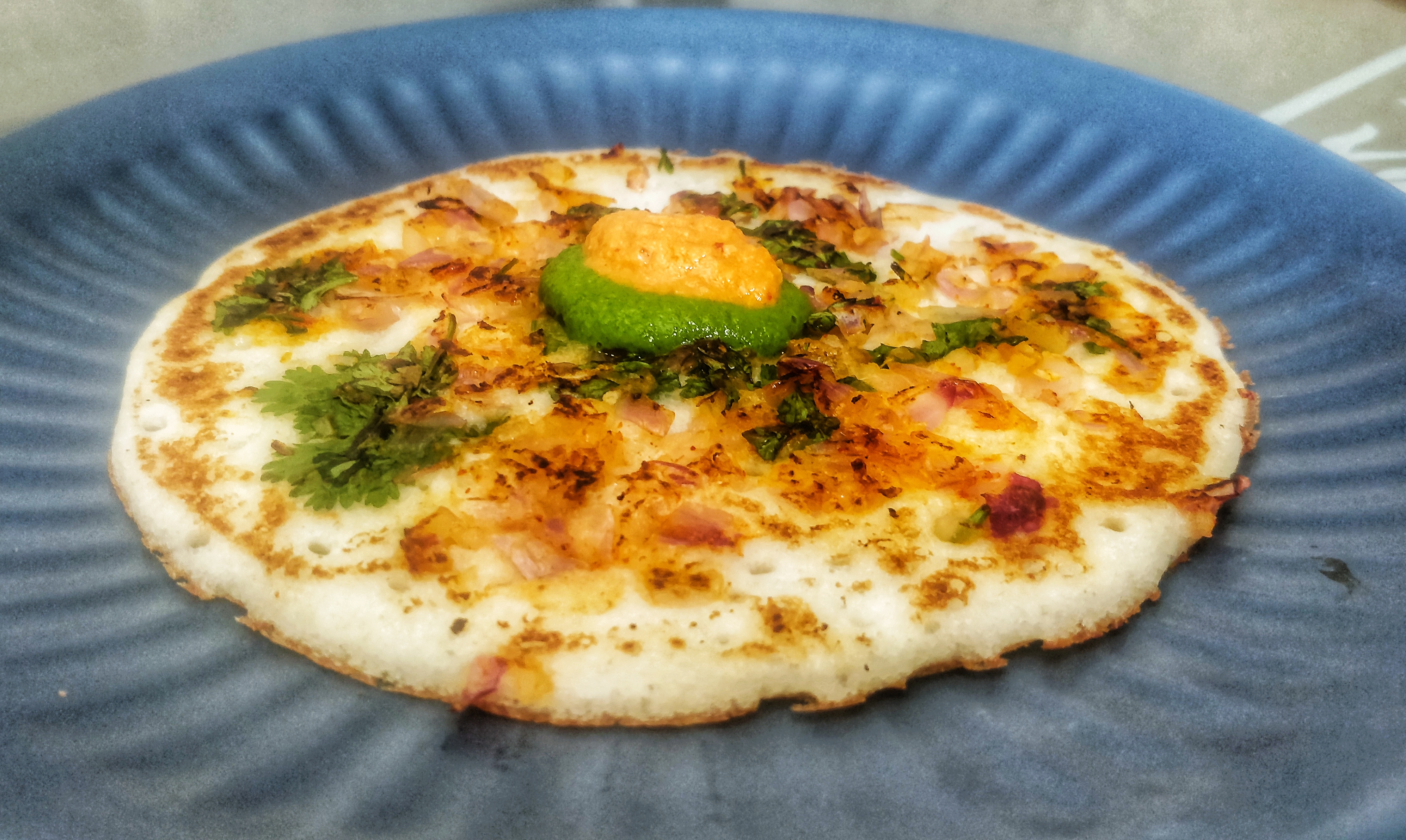
Utappam is a type of dosa from South India Unlike a typical dosa, which is crisp and crepe-like, uttapam is thicker, with toppings.

It is one of the most loved breakfast recipes of South Indian cuisine, which is served with coconut chutney and sambar and gunpowder. It can be made with just dosa batter or with a combination of dosa batter and vegetables of your choice. Traditionally, it is made by fermenting the mixture. The lentils and rice are subsequently ground separately and fermented however if you are in a hurry you can skip that part. The outer layer of Uttapam is crispy whereas the inner layers are spongy and soft.

Low in fat but high in flavours, It is a very easy and quick homemade breakfast option which is ideal for people who prefer a low fat diet.
To make uttapam you need to prepare the dosa mixture with rice and lentils. Then mix vegetables and seasoning in it for taste. Once done, heat up a pan and spread the mixture on it. Cook until it the golden brown and crispy from the top and flip sides. 

Ingredients
1.5 cup sona masoori rice / basmati rice. ( i use sona masoori)
.5 cup split urad dal
1/3 cup poha
1tbspn chana dal
few methi seeds.( about 20 grains)
water to soak


For topping:
a cup of chopped onions
salt to taste
1/2 tsp kashmiri mirch powder
1 tbspn chopped coriander leaves
oil/ ghee for frying ( i prefer ghee, it gives a delectable taste)

Method:
wash rice, dals, poha and methi seeds. soak the dals and methi seeds in a bowl and rice and poha in another bowl. soak for atleast 10 hours. drain and blend into a fine paste. keep overnight to ferment. ( add salt to the batter during winters, avoid in summers).

On a hot non stick tawa pour a laddle full of the batter and spread it to make a 10 inch roundel.( it shouldnt be very thin). mix in the ingredients mentioned under toppings and sprinkle over it. pour ghee on the sides and flip when the bottom is done. cook from the other side and serve hot with chutney.
I had it with the left over momos chutney!

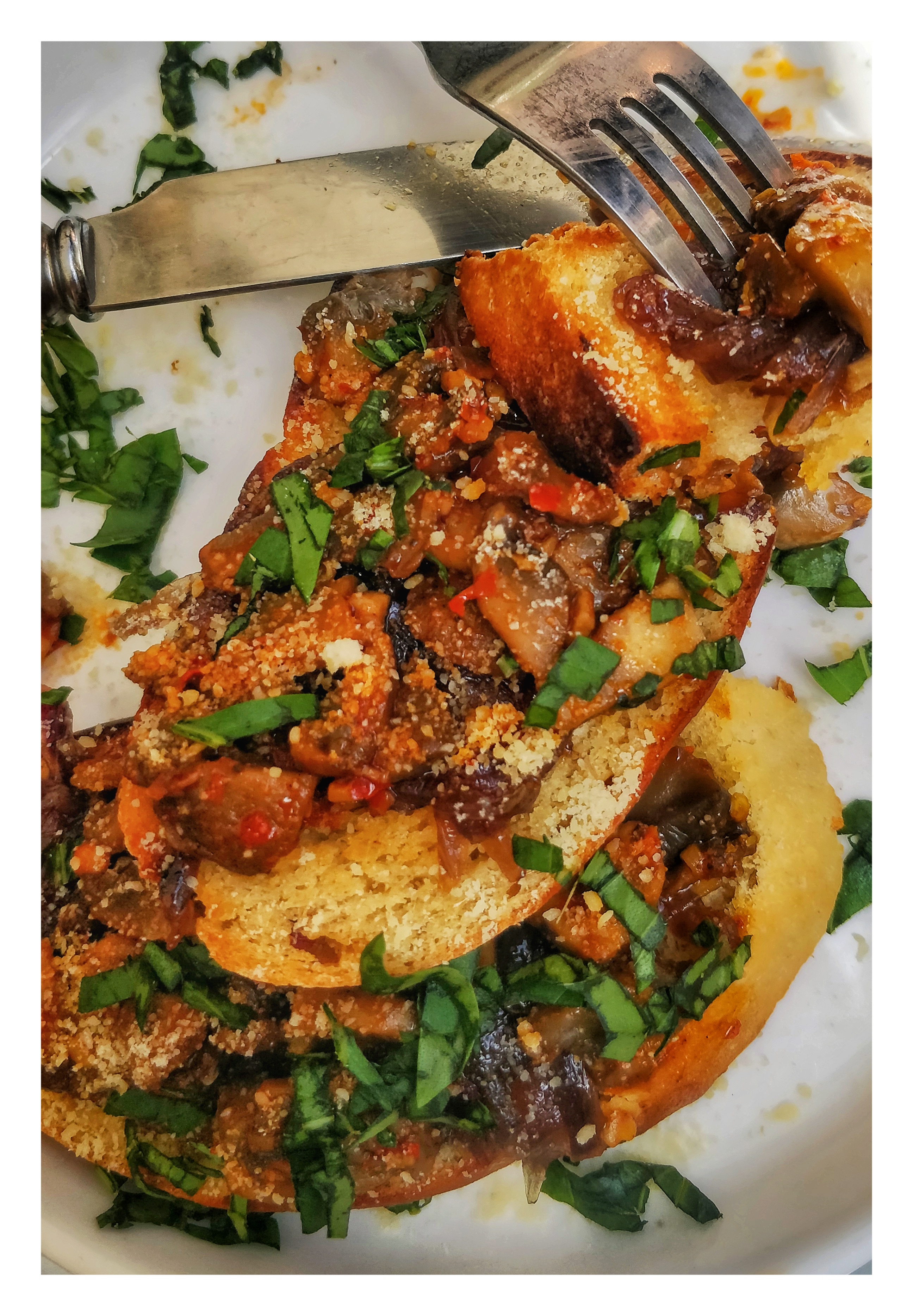
CARAMALIZED ONIONS AND SPICY MUSHROOM TOAST

Toast is commonly eaten with butter  and sweetened toppings, such as jam or jelly. Regionally, savory spreads, such as peanut butter may also be popular. When buttered, toast may also be served as an accompaniment to savory dishes, especially soups or stews, or topped with heartier ingredients like eggs or baked beans as a light meal. Toast is a common breakfast food.

This toast has been a fail safe recipe. It is an easy breakfast, lunch or a simple dinner recipe for when you’re not bothered to cook a full meal.

Caramelized onions add the perfect bit of savory sweetness to so many of our favorite dishes.They also add so much flavor to sandwiches, steaks, burgers and so much more. While caramelizing onions can take a bit of time, it’s an easy technique that you can master at home. All you need is a good pan and a little patience.

Caramelized onions are simply onions that are cooked for an extended period of time with a bit of fat (either oil or butter). This extended cook time allows the natural sugar in the onions to brown and caramelize. This gives the onions a sweeter flavor and also a depth of flavor since as well all know color means flavor.

You can refrigerate caramelized onions for three to four days, or freeze them for up to three months. Cook a large batch and keep them on hand.

Ingredients:

Caramelized onions
4 nos large sized onions( thinly sliced)
1 tsp oil
1tsp butter
2 tbspn sugar
salt ( a pinch)
3 tbspn water

Spicy Mushrooms
200 gms mushrooms washed and sliced
2tbspn garlic ( finely chopped)
chilli paste ( according to the degree of spiciness)
1/4 tsp black pepper powder
1/2 tsp salt
1tsp light soya sauce

Garnishing
parmesan cheese
chopped basil leaves

Method: ( for caramalizing)
In a pan add oil and butter. add sugar and let it come to golden brown. add sliced onions and mix well. sprinkle salt and add water. cover it and let it cook for 15 mins.

Method: ( for spicy mushrooms)
In another pan heat oil and butter. add garlic and cook till brown. toss in mushrooms, mix. add salt, pepper, chilli paste, soya sauce and cook till water evaporates completely.

On a buttered toast ( you can use any bread, i used homemade olive and garlic bread) spread the onions and mushrooms. sprinkle parmesan cheese and basil leaves.
Drizzle some tobasco if you like that EXTRA SPICE!!!

Design a site like this with WordPress.com
Get started