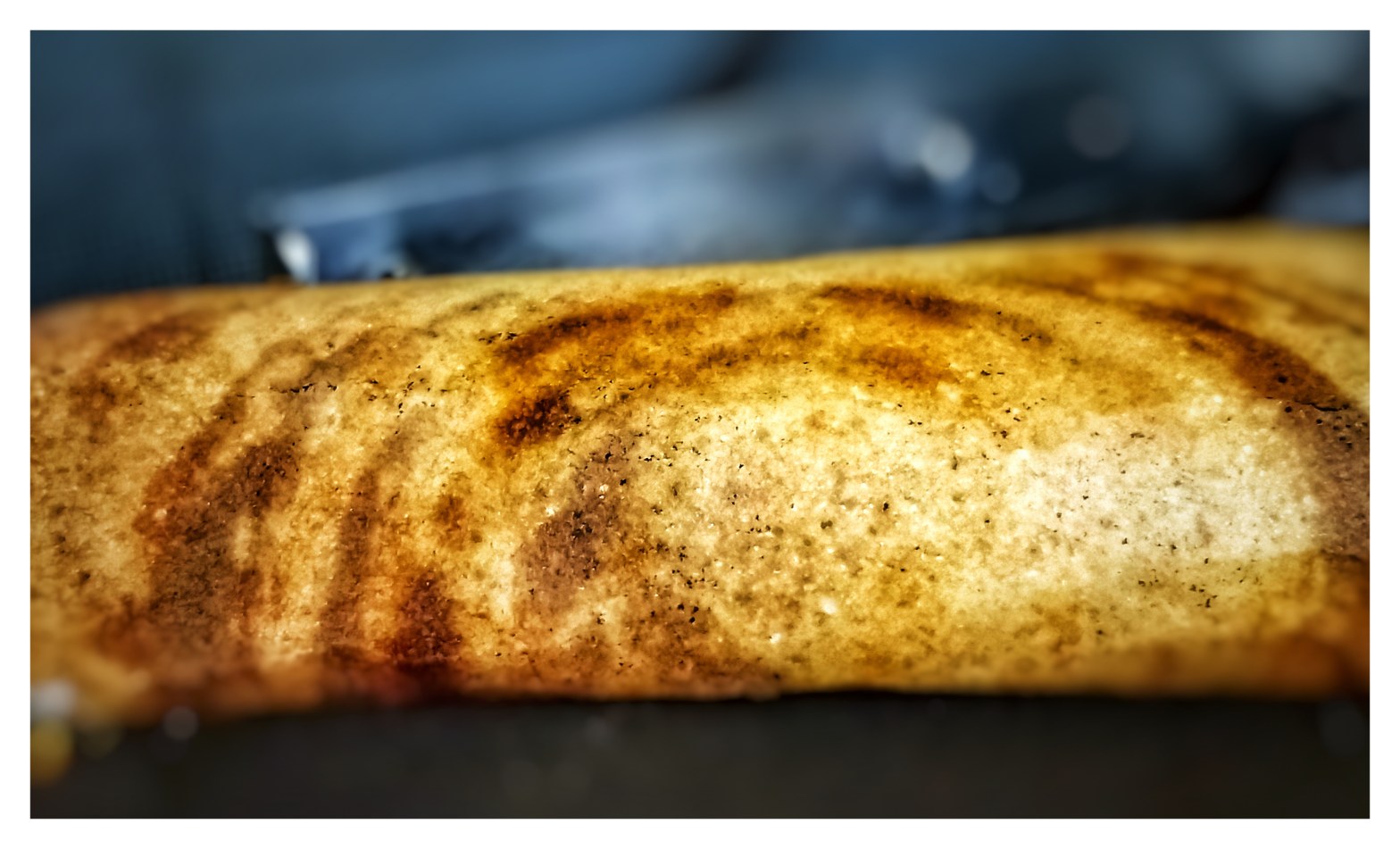
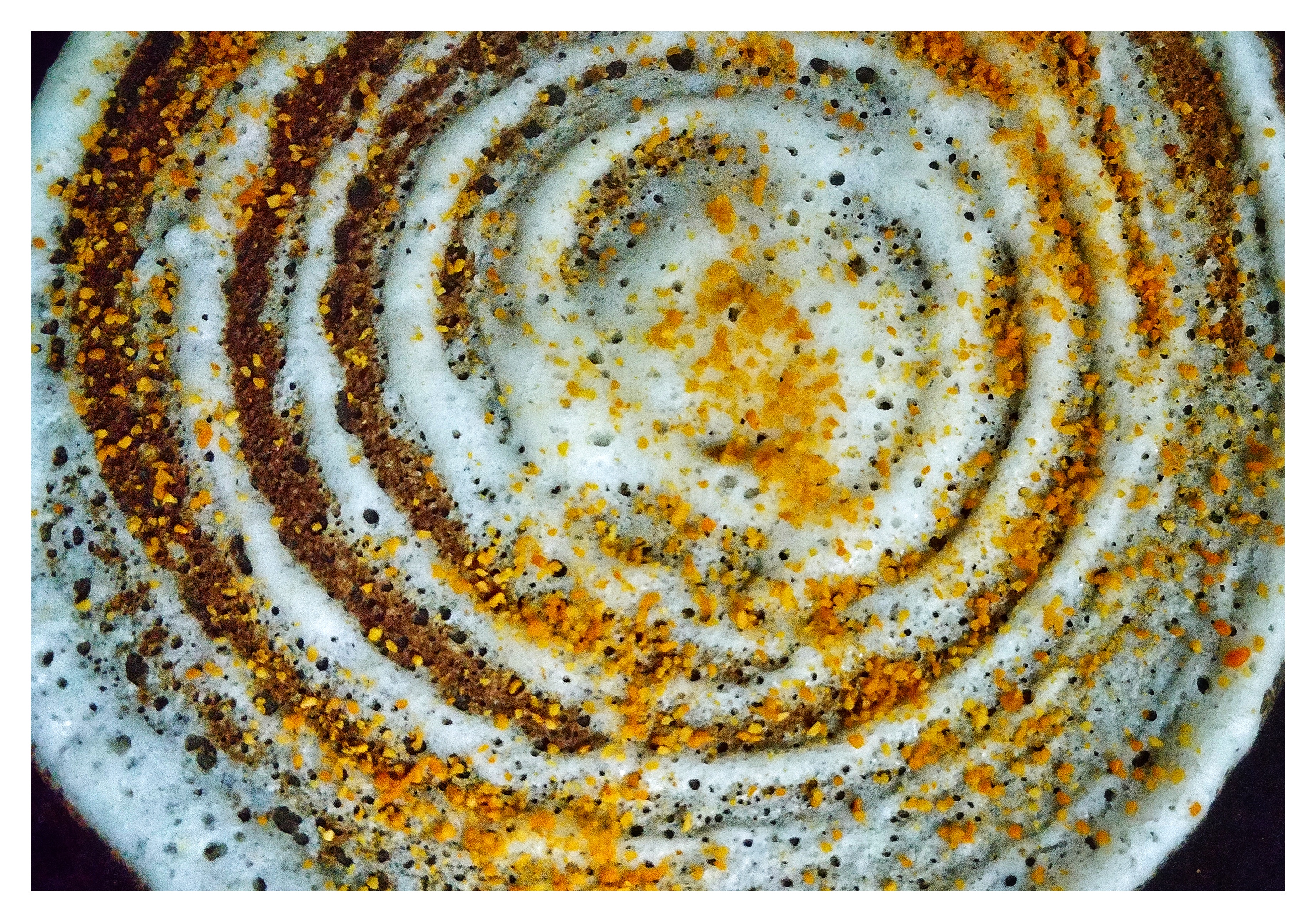
A dosa is a cooked flat thin layered rice batter, originating from South India, made from a fermented batter. It is somewhat similar to a crepe in appearance. Its main ingredients are rice and black gram that are grounded together in a fine, smooth batter with a dash of salt. Dosas are a typical part of the South Indian diets, but the dish is now popular all over the India. Traditionally, dosas are served hot along with sambhar and chutney. They can be consumed with idli podi as well.
Dosa is high in carbohydrates and contains no added sugars or saturated fats. As its key ingredients are rice and black gram, it is also a good source of protein. A mixture of rice and black gram that has been soaked in water is ground finely to form a batter. Some add a handful of fenugreek seeds soaked along with the rice.After the overnight fermentation, the batter is mixed with water to get the desired thickness. The batter is then ladled onto a hot tava (griddle) greased with oil or ghee . It is spread out with the base of a ladle or bowl to form a pancake. It can be made either to be thick like a pancake, or thin and crispy. A dosa is served hot, either folded in half or rolled like a wrap.
The most popular version is the masala dosa, with a filling of the potato masala. Mysore masala is the spicier version of it. Sada (plain) is without filling; paper dosa is a thin and crisp version. Rava dosa is made crispier using semolina. Newer recipes have been developed that use fusion, like Chinese dosa, cheese dosa, paneer dosa and many more.
What is idli podi?
Idli podi is a coarse spice powder, originating from South India, with a mixture of ground dry spices that typically contains dried chilis, black gram, chickpeas, salt and sesame seeds. The spice mix is commonly referred to in informal speech as “gunpowder.”
You can check out my post on Onion Uttapam for dosa batter. I use the same batter with same consistency to make dosas too.
Method:
Pour a ladle full on Dosa batter on a hot tawa. With the back of the ladle spread the batter starting from centre and moving outwards in a circular motion. Sprinkle some ghee on the edges and cook till crisp. If you are able to make thin dosas, donot flip and cook. If it’s thick at the centre or edges, you should cook both the sides.
You need some practice to get perfect dosas. It took me a year to get the desired results ( after making dosas fortnightly).
I prefer using Sona Masoori rice for making dosas and Uttapams. And soaking the grains for atleast 10 hours results in a smooth batter.
 MY HEAD OVER MEALS